



Please select a filter
Brand
Playground Spring Riders - Fun & Durable Spring Rider Equipment for Kids
SignaturePLAY
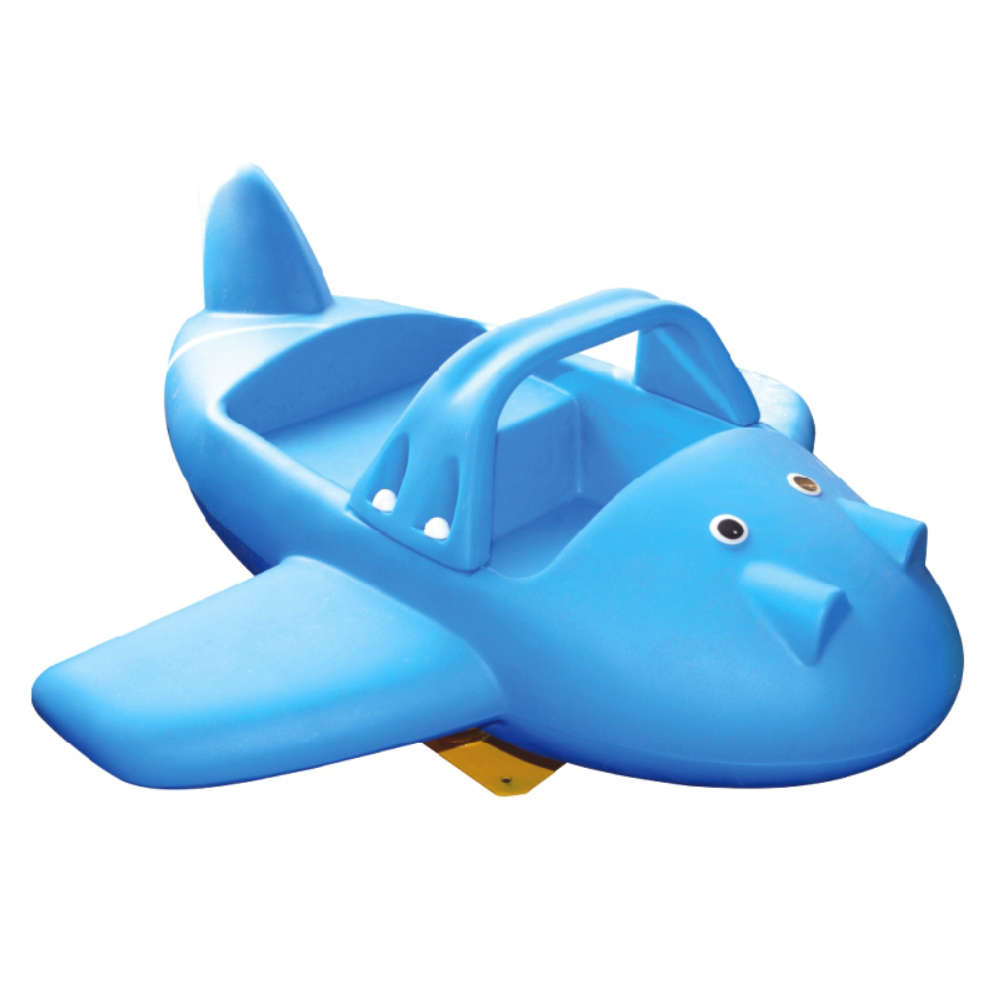
Sharkle Spring Rider
SignaturePLAY
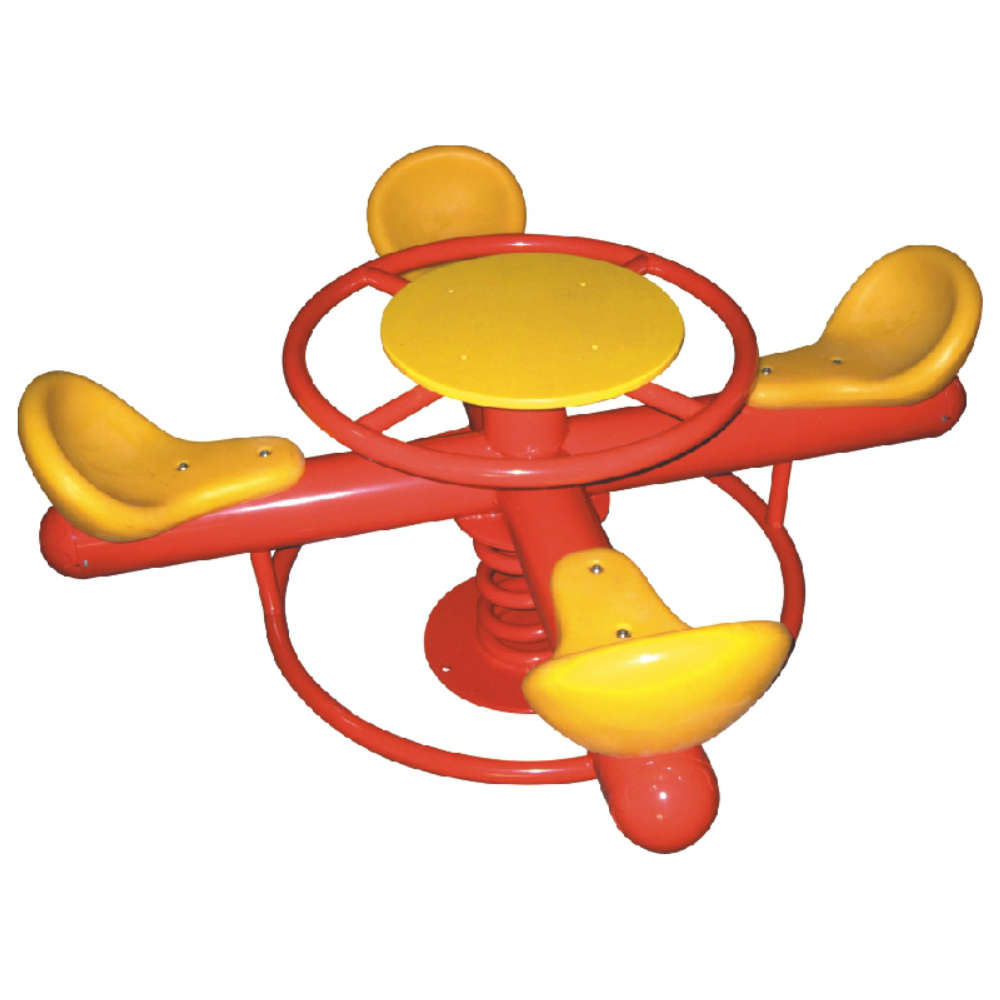
Quad Spring Rider
SignaturePLAY
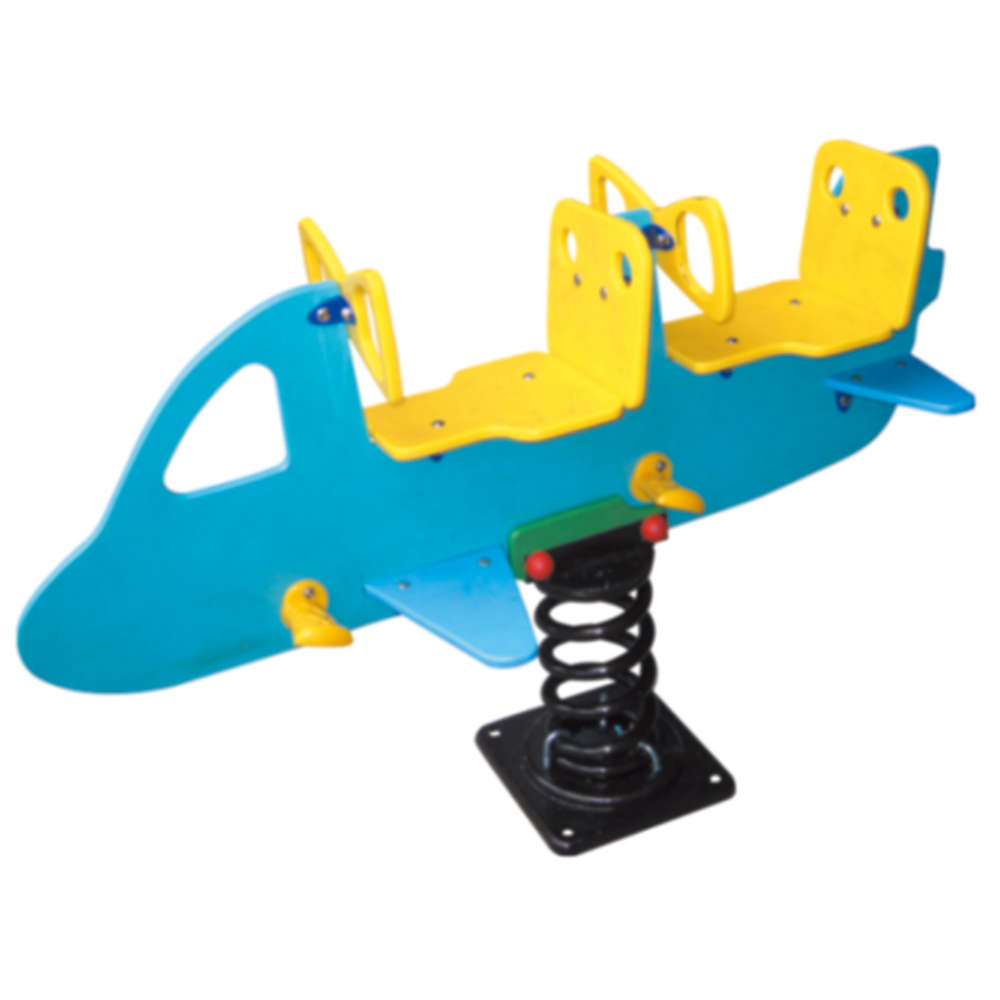
Aero Spring Rider
PLAYTime
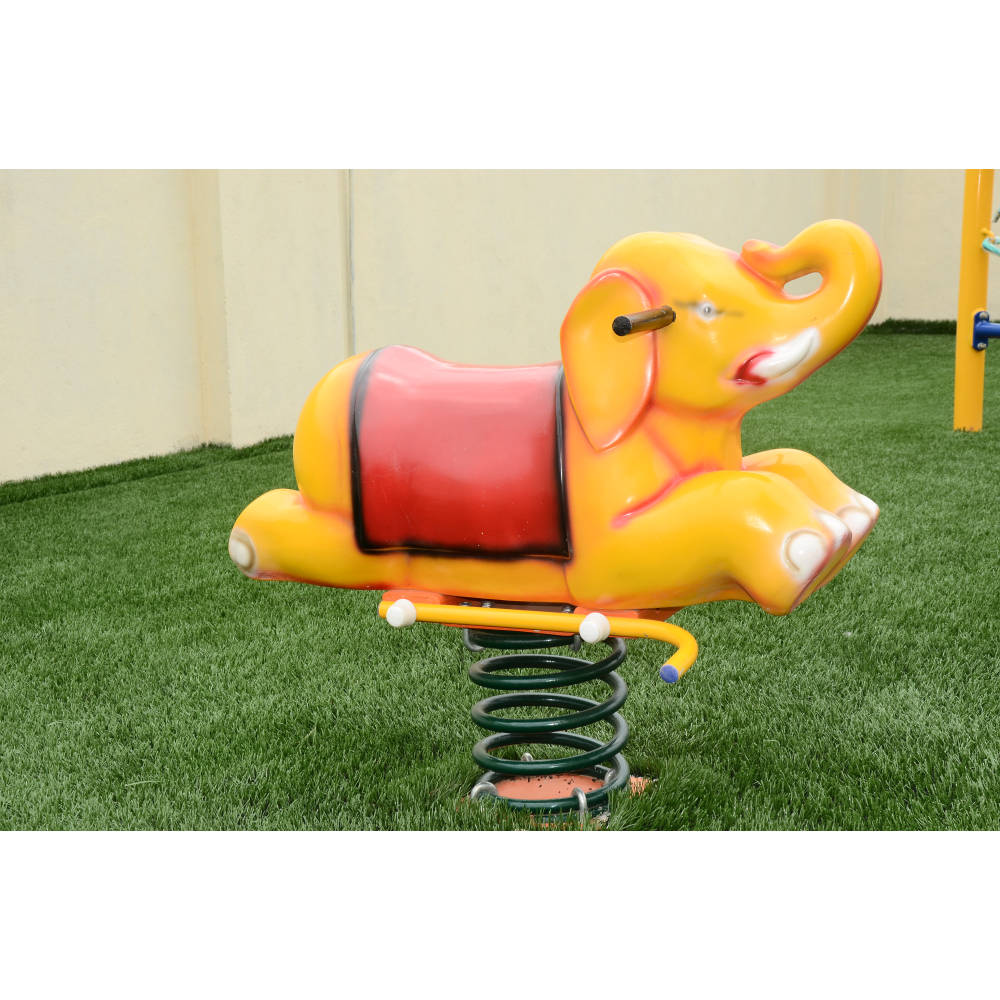
Jumbo Spring Rider
SignaturePLAY
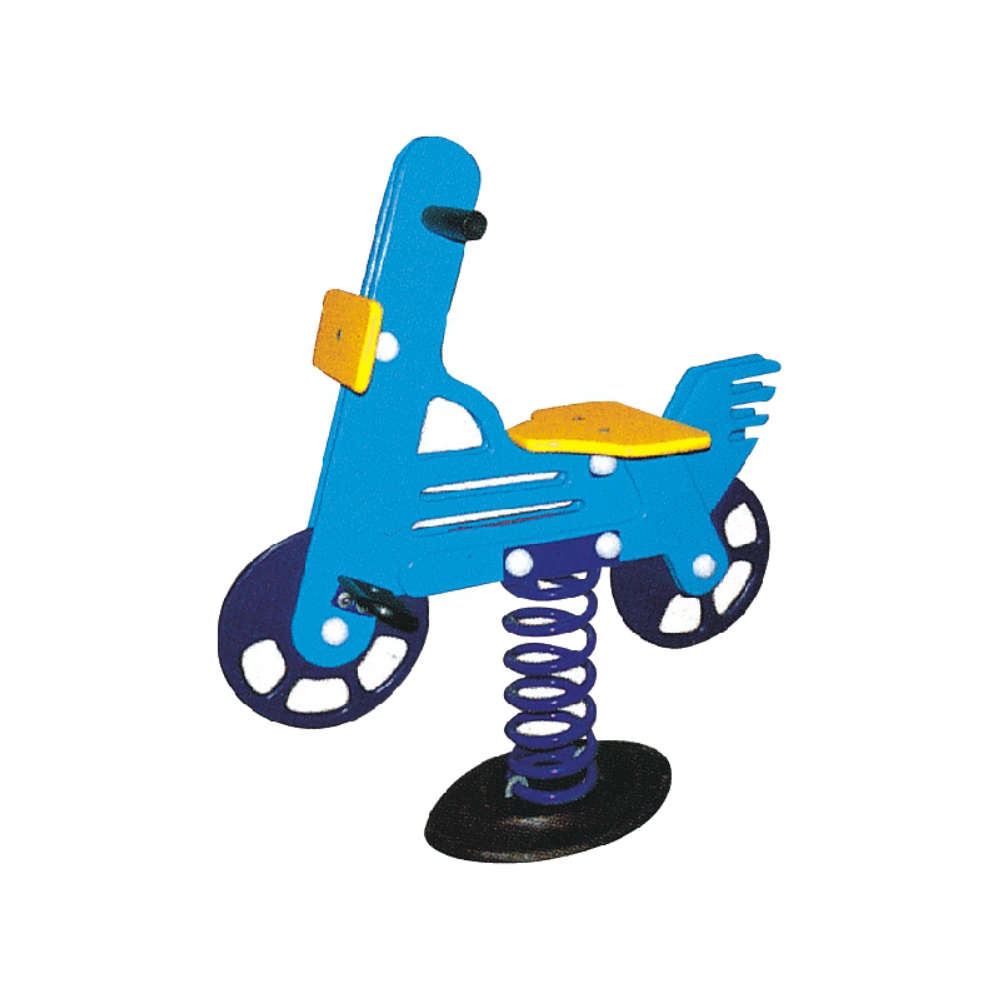
Scootsy Spring Rider
SignaturePLAY
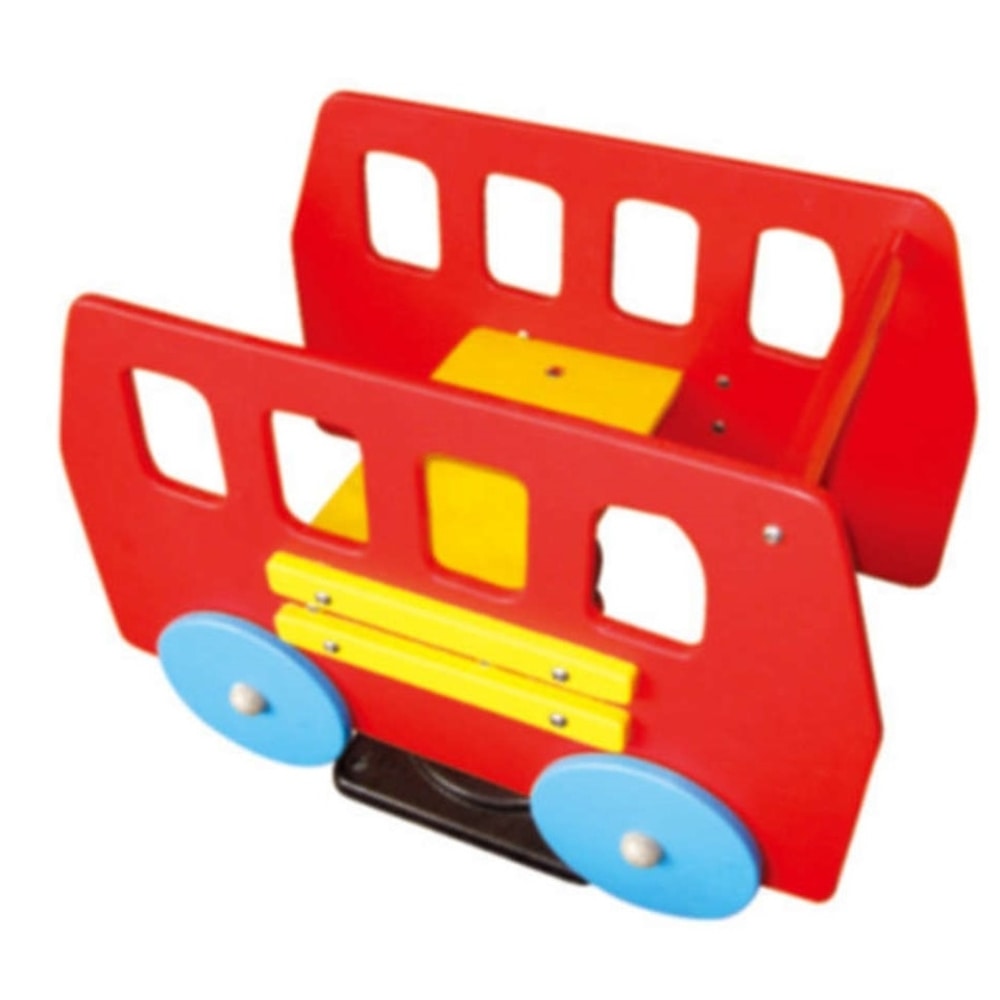
Buzz Spring Rider
SignaturePLAY
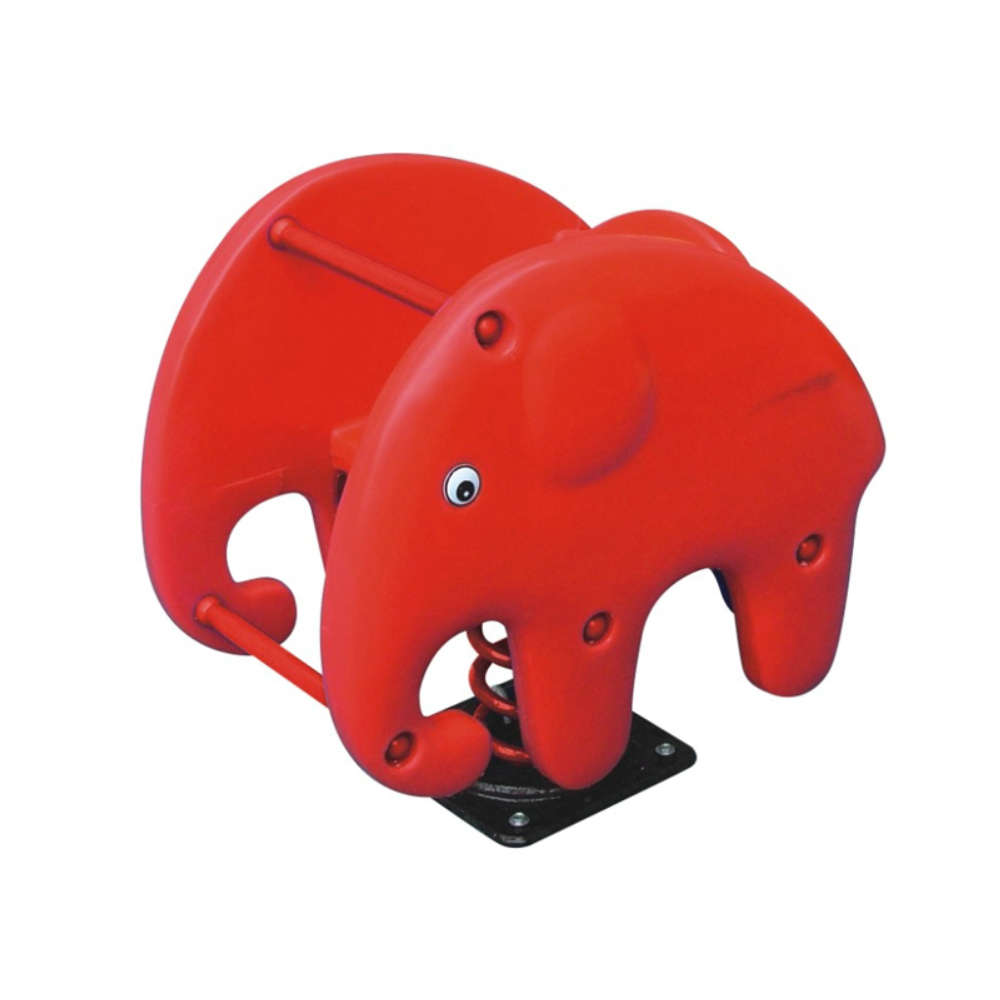
Trunky Spring Rider
SignaturePLAY
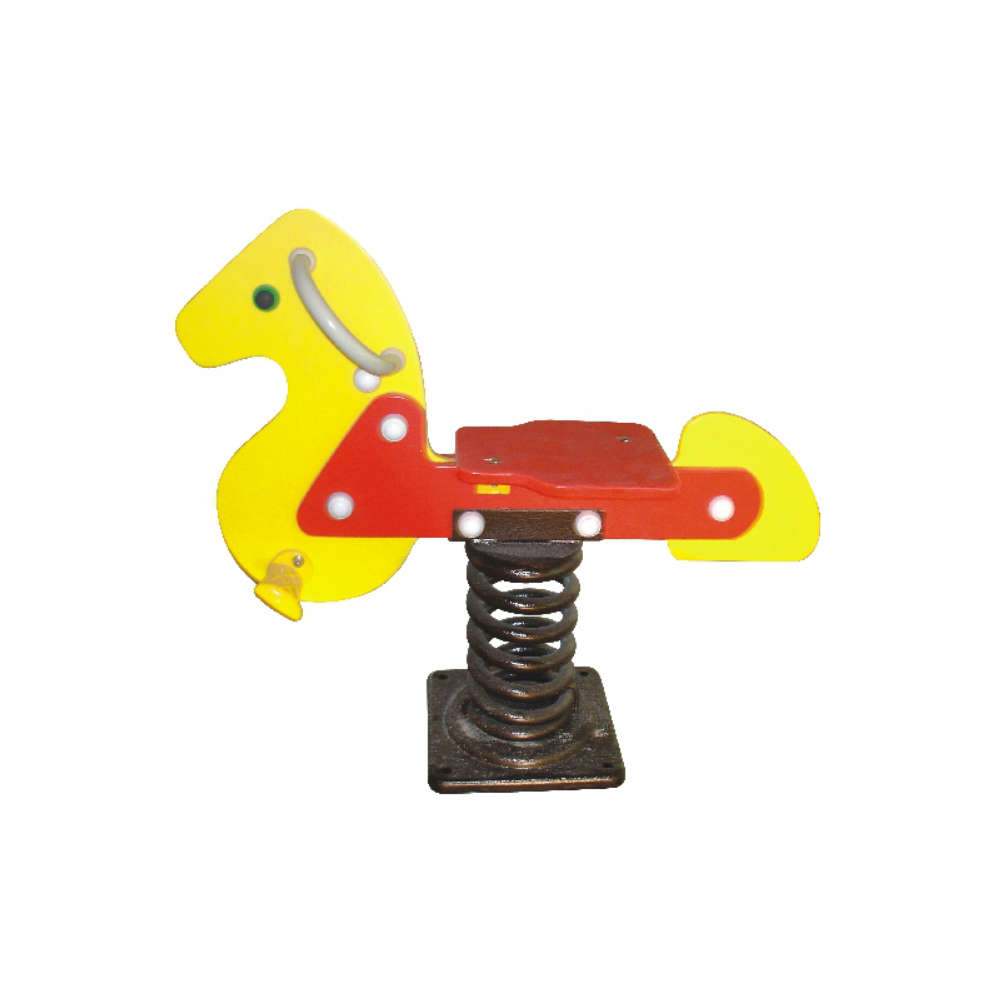
Heehaw Spring Rider
SignaturePLAY
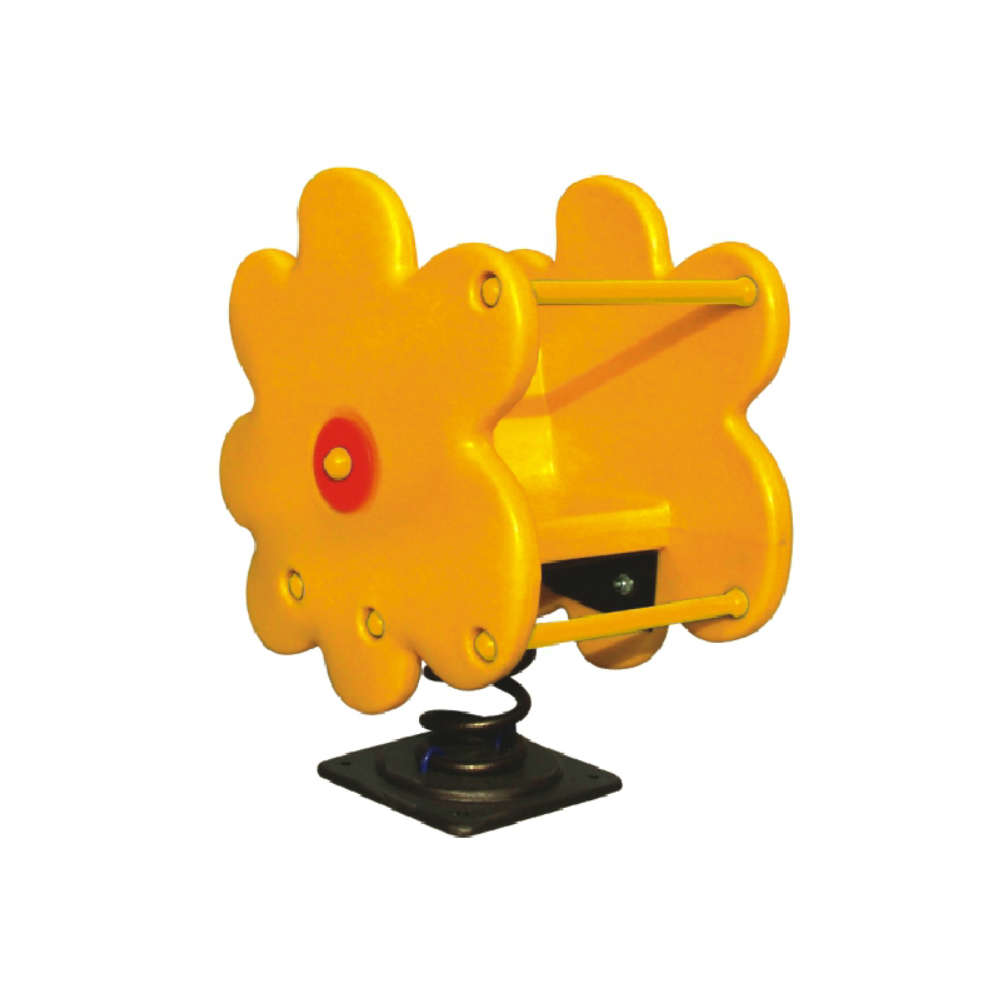
Floret Spring Rider
SignaturePLAY
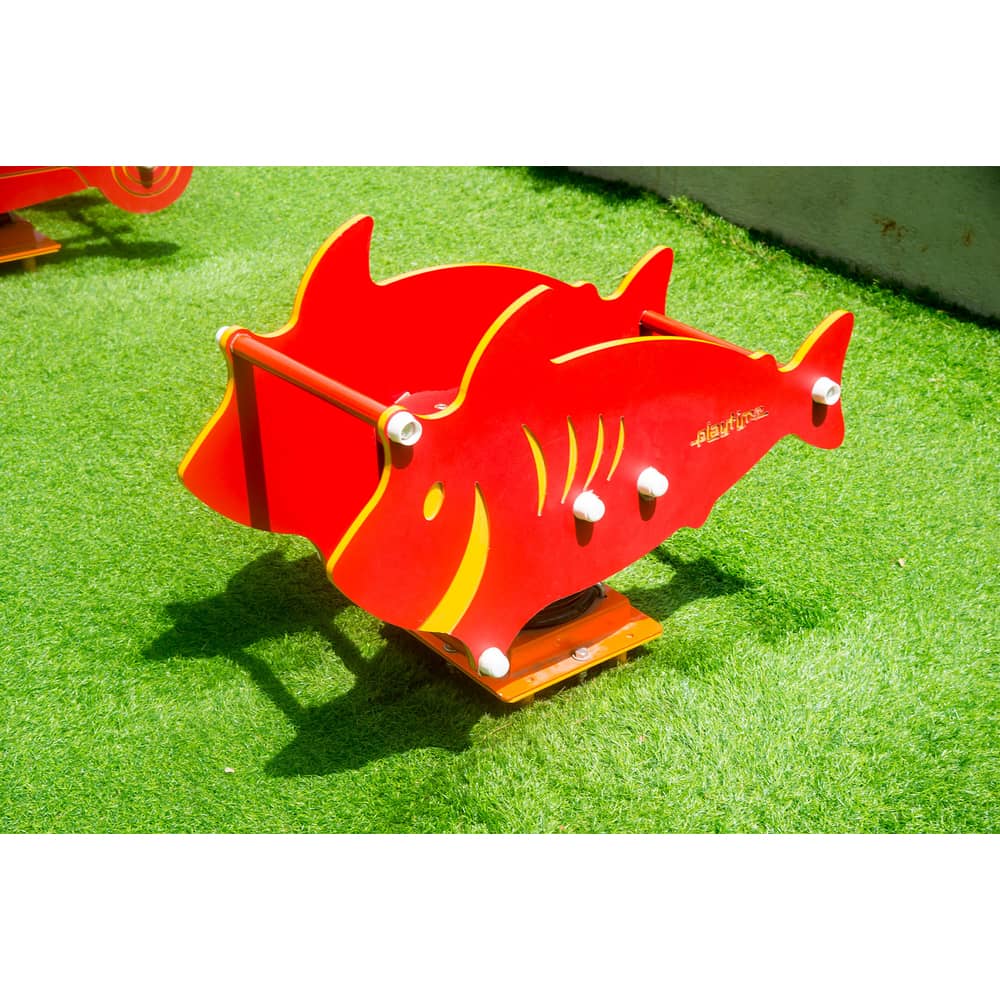
Shark Spring Rider
SignaturePLAY
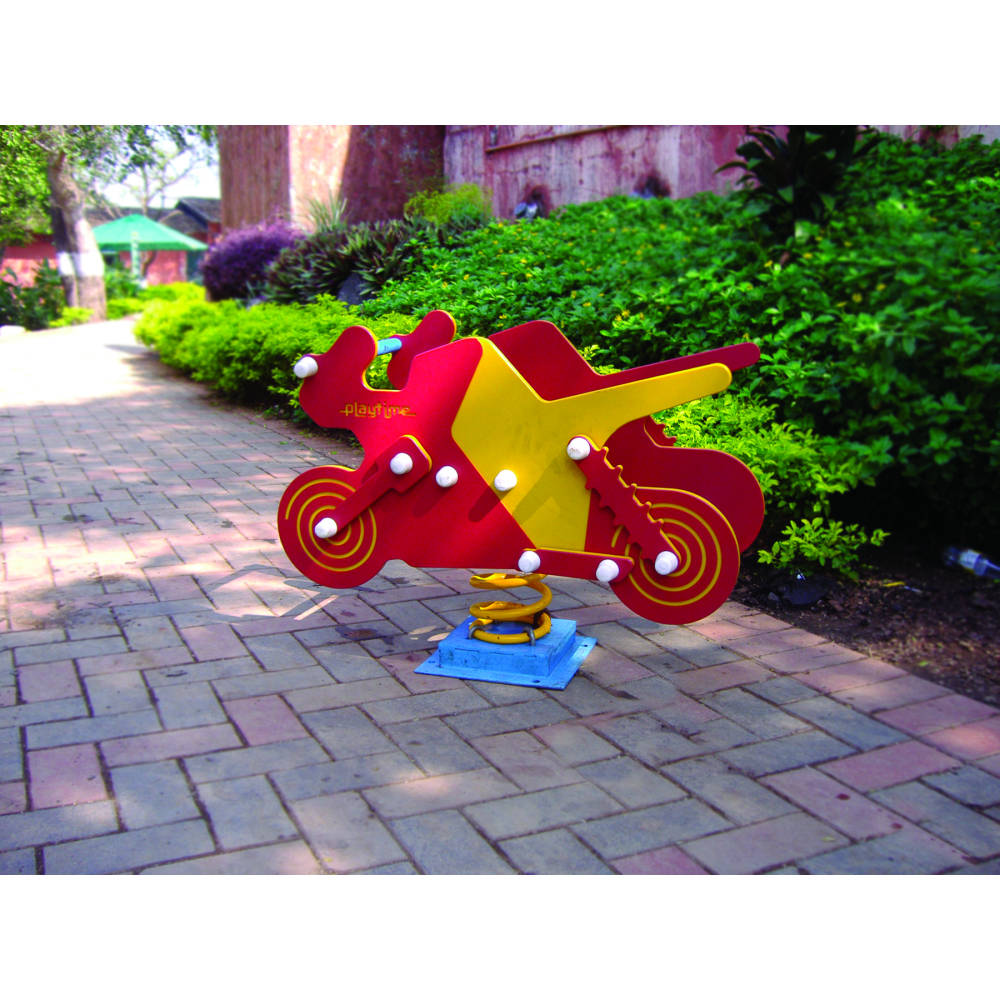
Racer Spring Rider
SignaturePLAY
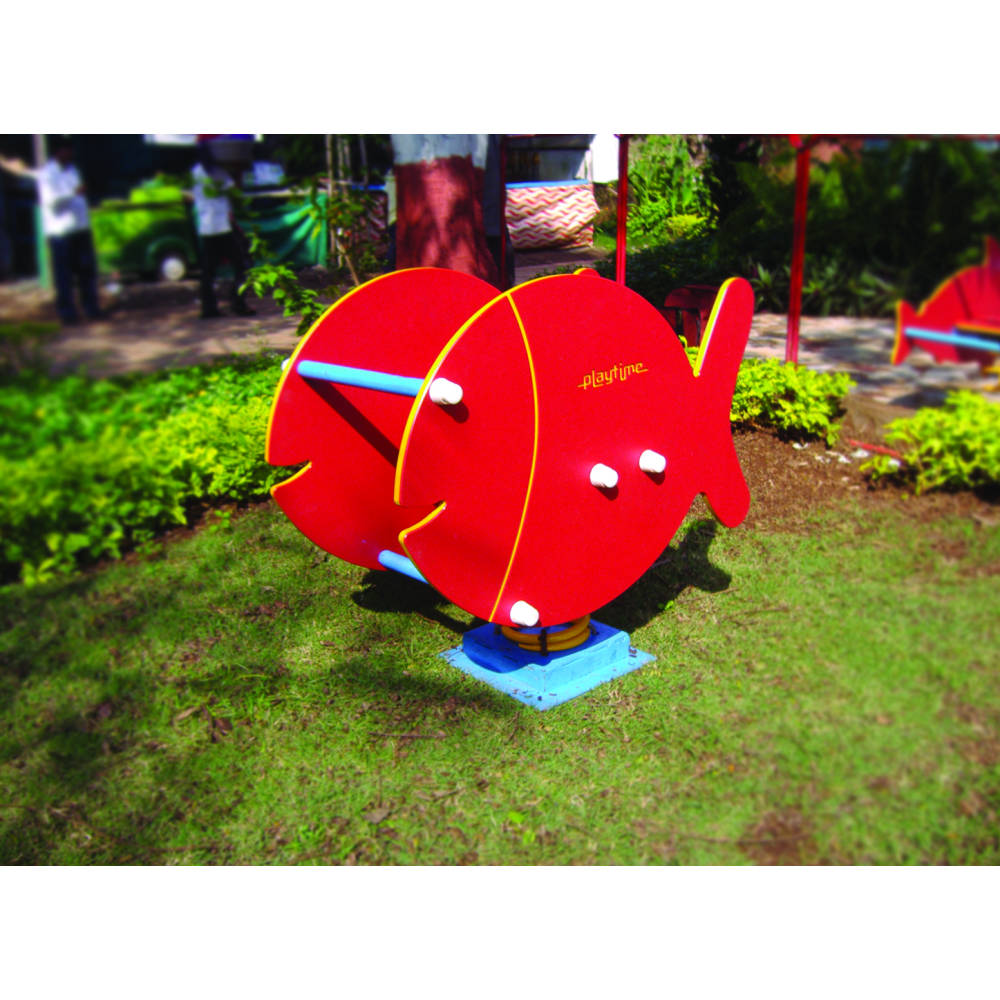
Fish?Spring?Rider
SignaturePLAY
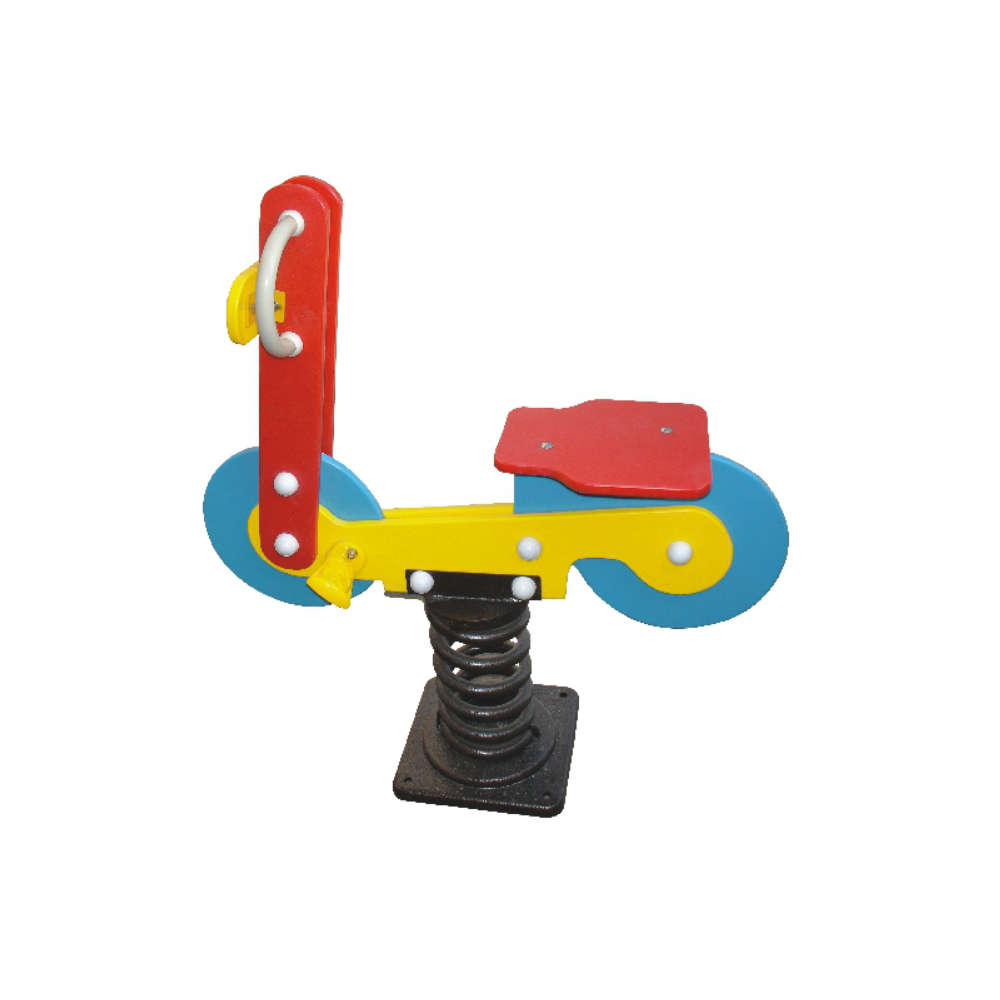
Swiggy Spring Rider
SignaturePLAY
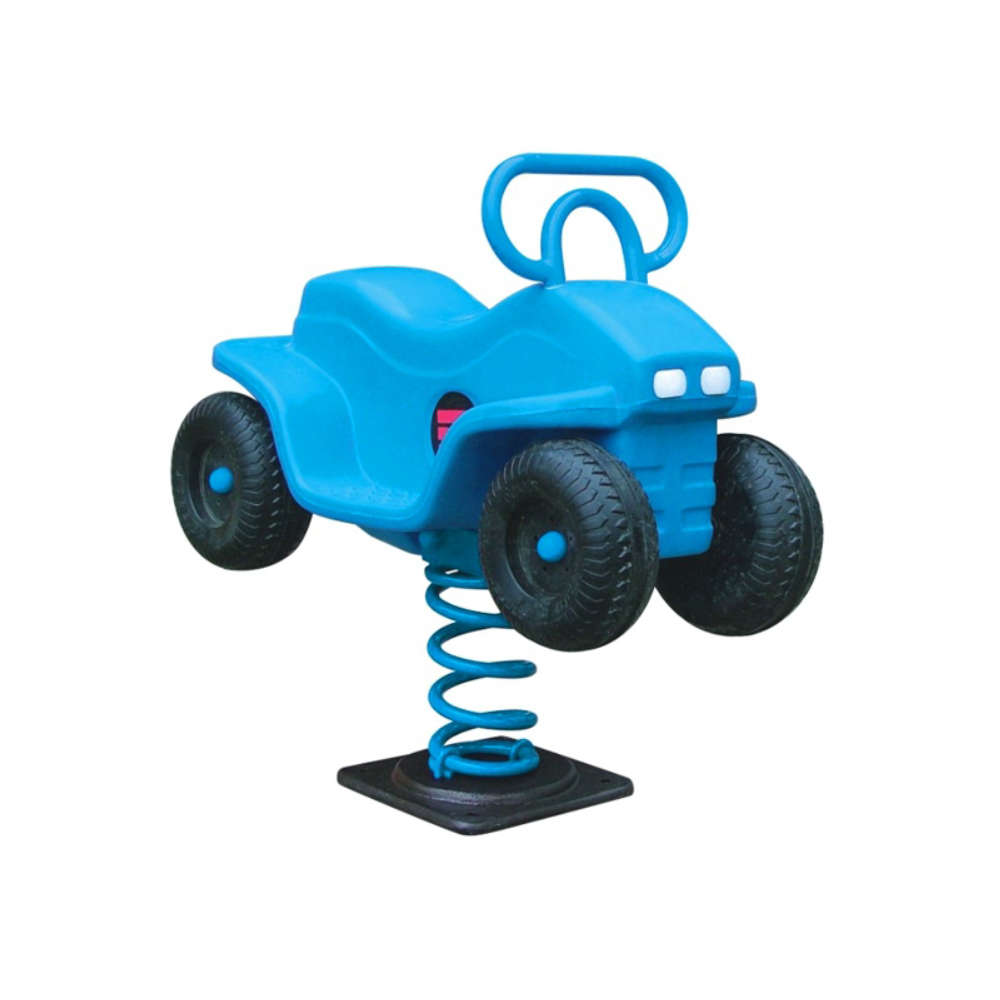
Safari Spring Rider
SignaturePLAY
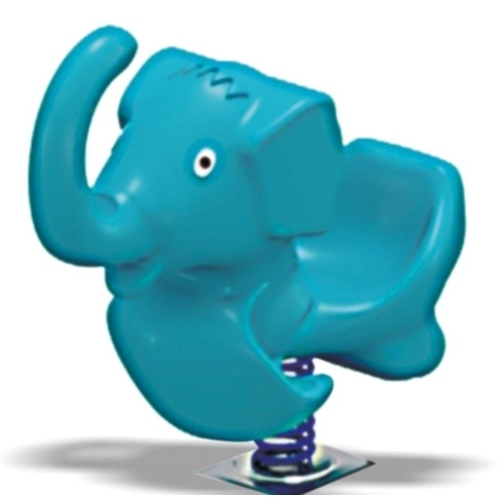
Elefun Spring Rider
SignaturePLAY
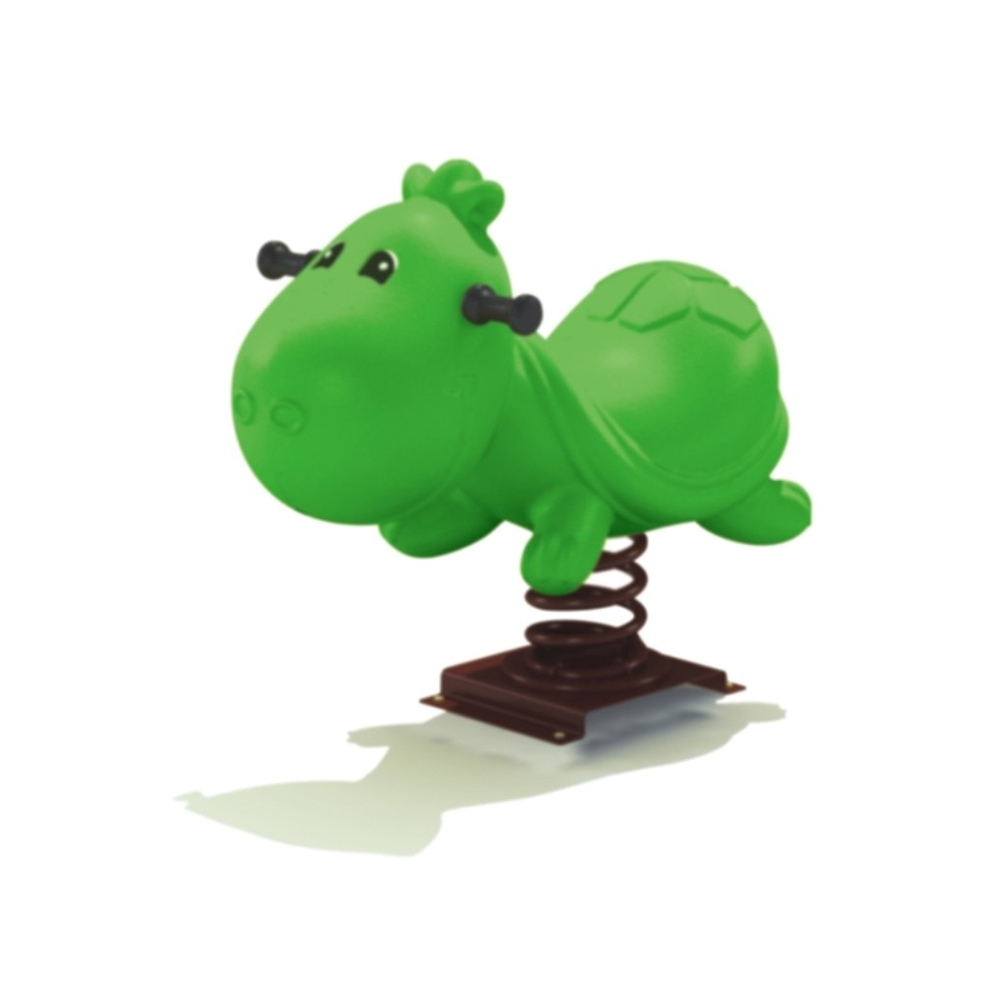
Torti Spring Rider
SignaturePLAY
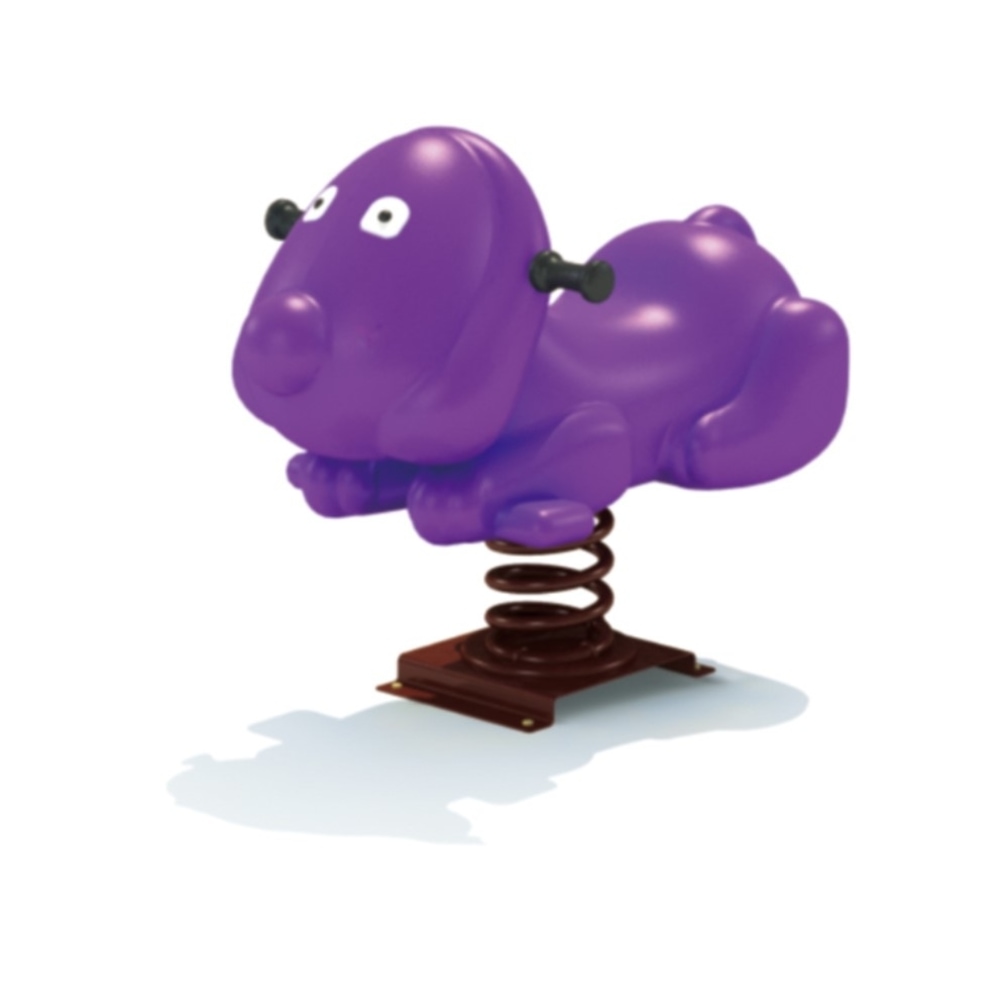
Scoobi Spring Rider
SignaturePLAY

Bray Spring Rider
PLAYTime
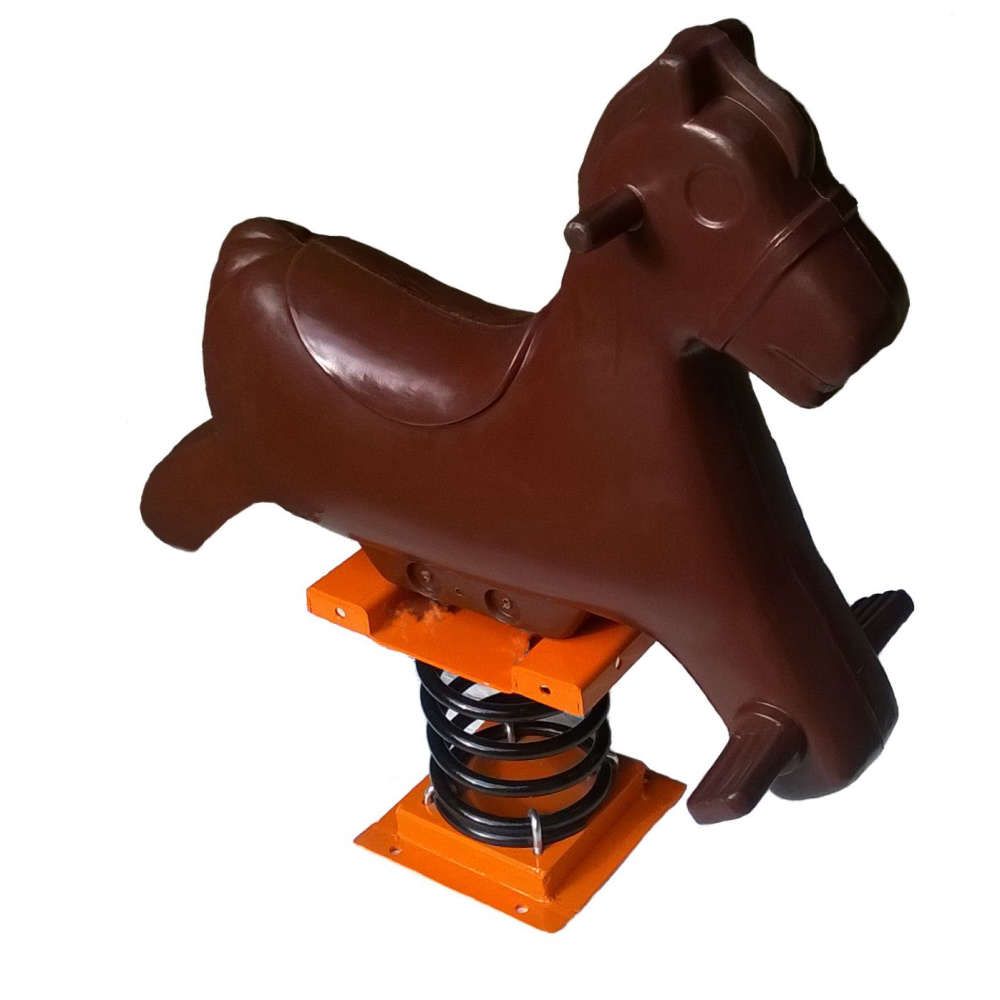
Pony Spring Rider
PLAYTime
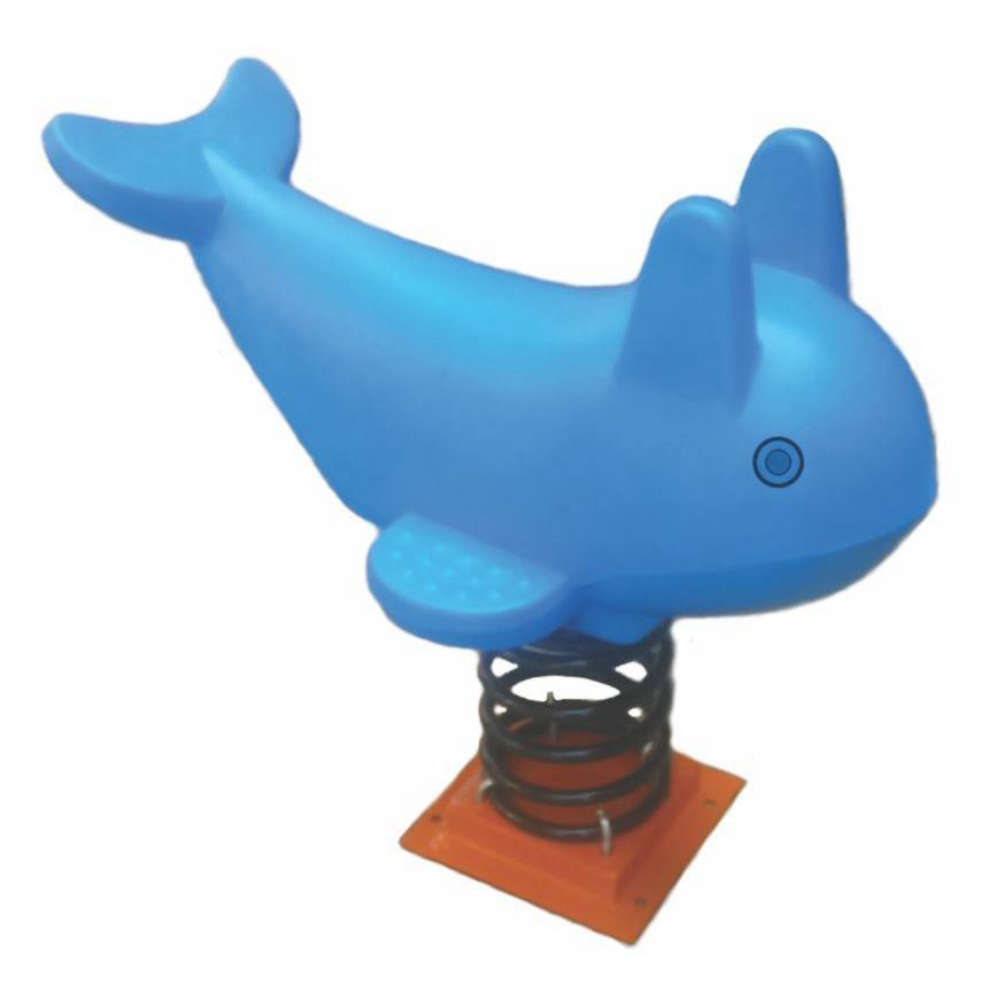
Orca Spring Rider
PLAYTime
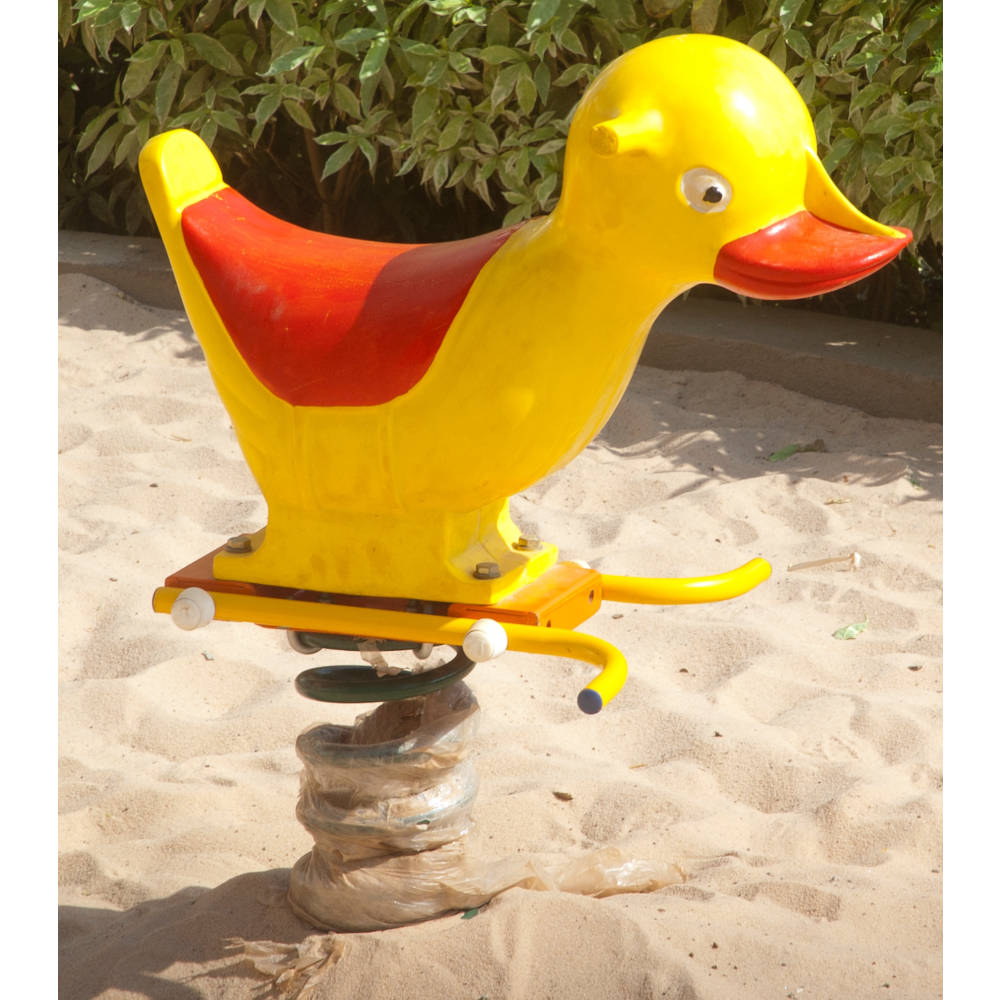
Duck Spring Rider
PLAYTime
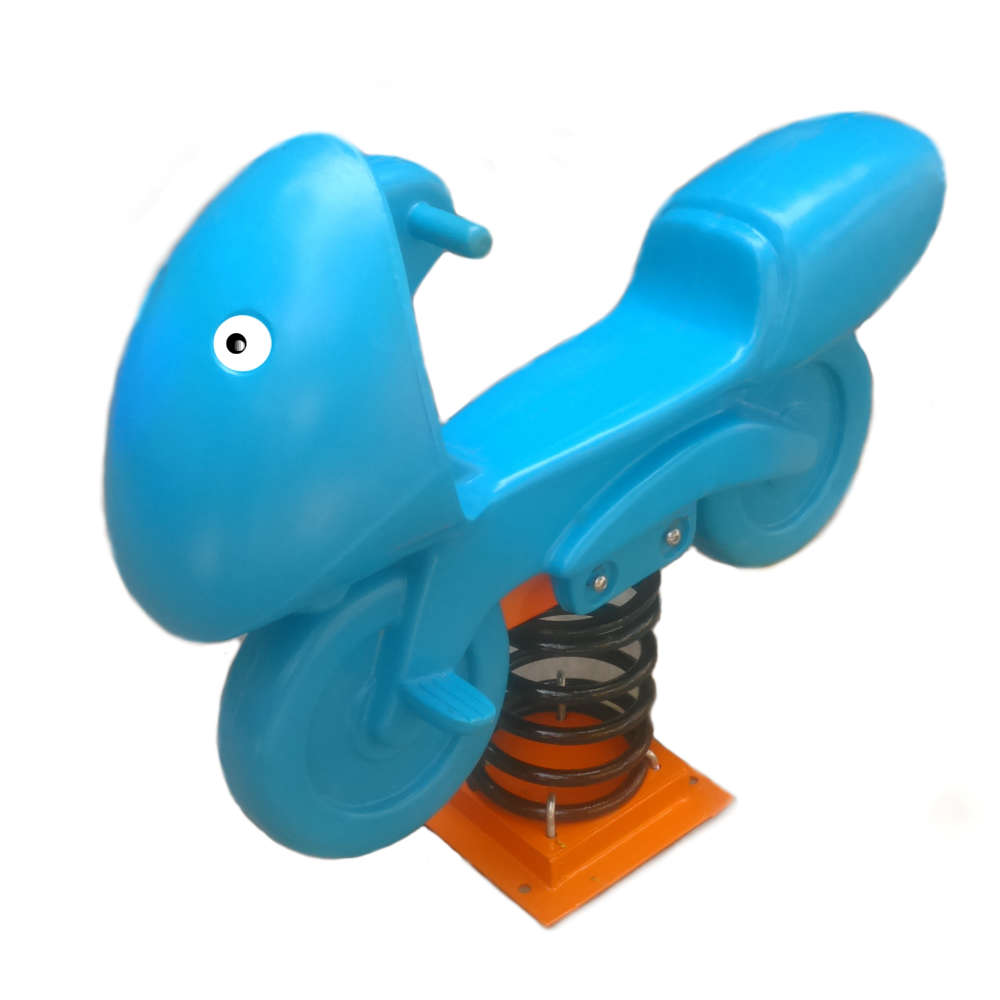
Hopper Spring Rider
Spring Riders for Kids in Modern Playground Design
In high-traffic parks and school grounds, large play structures shape how children move through the space. They create set routes and concentrate activity in specific zones, which can slow movement across the area.
Our spring rider for playgrounds add flexibility to that layout. They use a compact footprint, with safe play areas starting at 5.9 x 4.6 ft and extending to 9 x 7.5 ft. They fit beside larger equipment and sit in smaller gaps. Toddlers and young children aged 2-5 use them directly, which spreads activity across the site and keeps walkways open.
The playground spring rider range includes the Duck Rider for simple use, the Racer Car for group activity, and the Safari Rider for themed play. Each model supports up to four children, depending on configuration. The motion stays the same across the range. One child steps off, the next steps on, and the play continues without pause.
Each unit uses commercial-grade steel springs and rotationally moulded polyethylene seats. The designs meet safety standards for public play equipment. UV-stabilised materials hold up under outdoor conditions. The units support frequent daily use and require minimal maintenance over time.
Frequently Asked Questions
A playground spring rider works well in tight spaces. It sits in corners, edges, and small gaps between larger play equipment. Planners often place it in leftover areas to bring them into use without changing the main layout.
Yes. Spring rider playground equipment is built for repeated movement across the day. It holds steady under frequent use in schools, parks, and residential setups where equipment runs continuously.
A spring rider for playground use usually sits alongside climbers, slides, or swings. It adds activity at ground level and helps balance out larger structures without interrupting flow or visibility.
Playground spring riders are mainly used by toddlers, with some designs extending to younger children. Planners often place them in early-years zones or mixed-age areas with clear supervision sightlines.