



Please select a filter
Brand
Climbing Playground Equipment - Fun & Safe Playground Climbers for Kids
SignaturePLAY
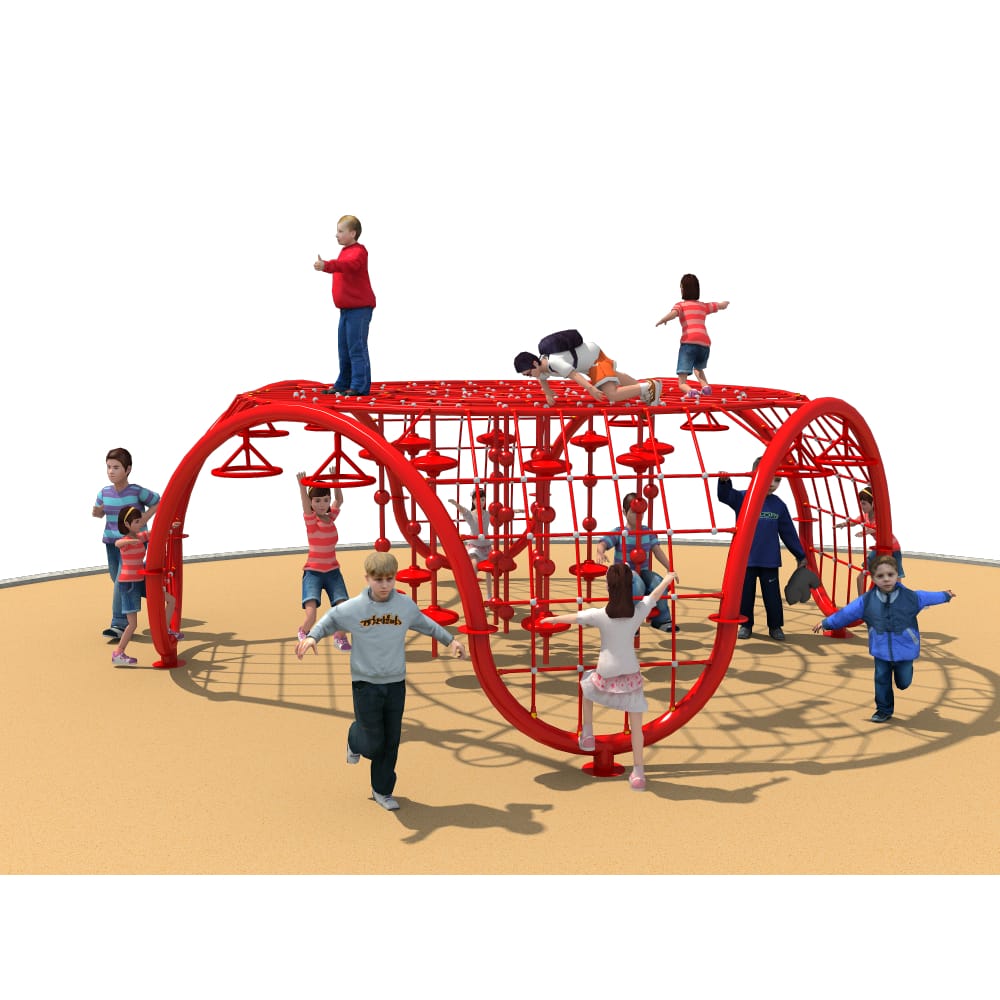
Webthrill
SignaturePLAY
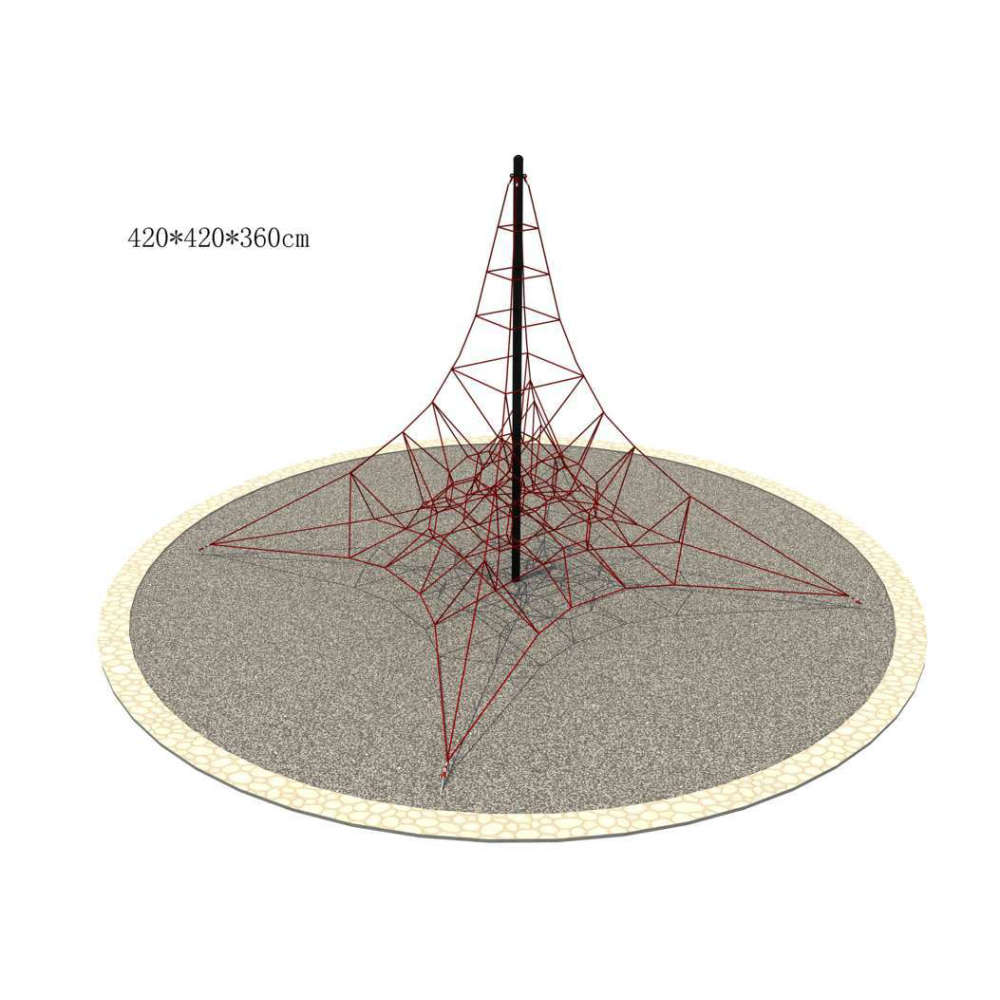
Peak Climber
SignaturePLAY
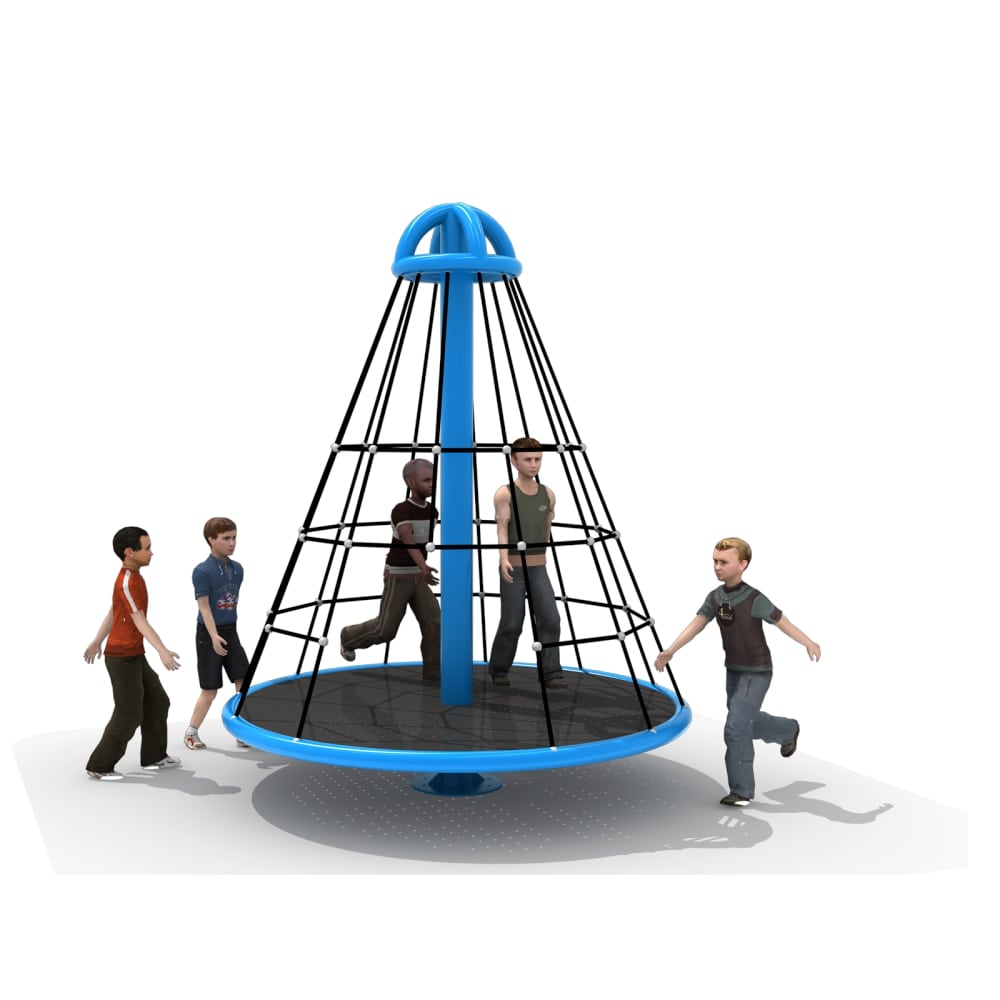
Tima Climber
SignaturePLAY
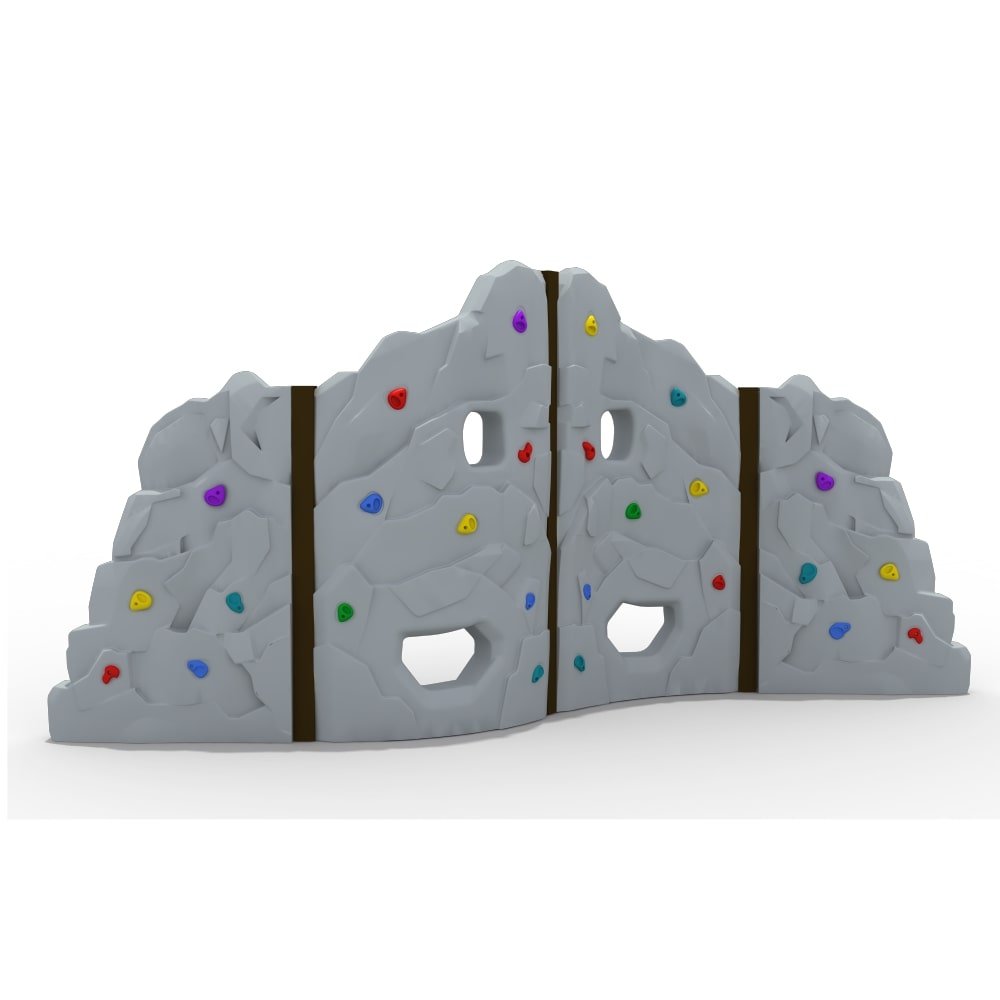
Wally Climber
SignaturePLAY
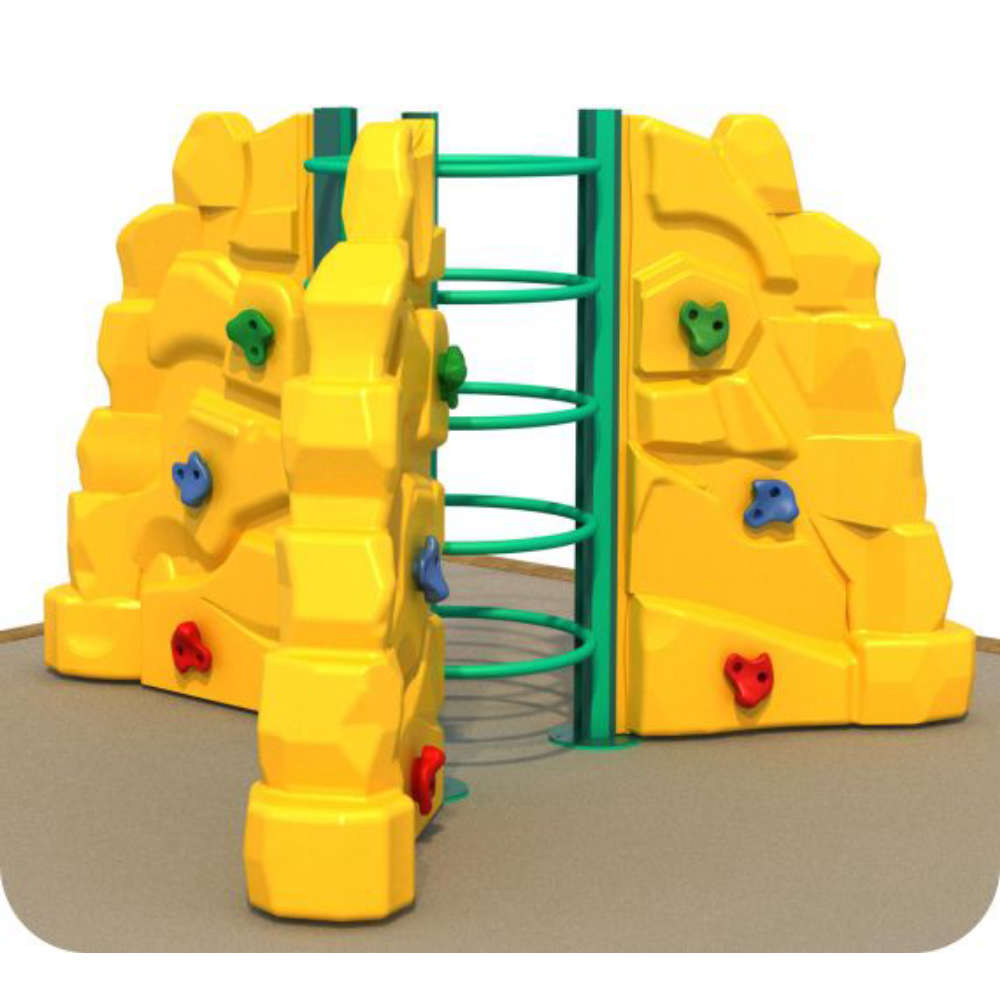
Fuji Climber
SignaturePLAY
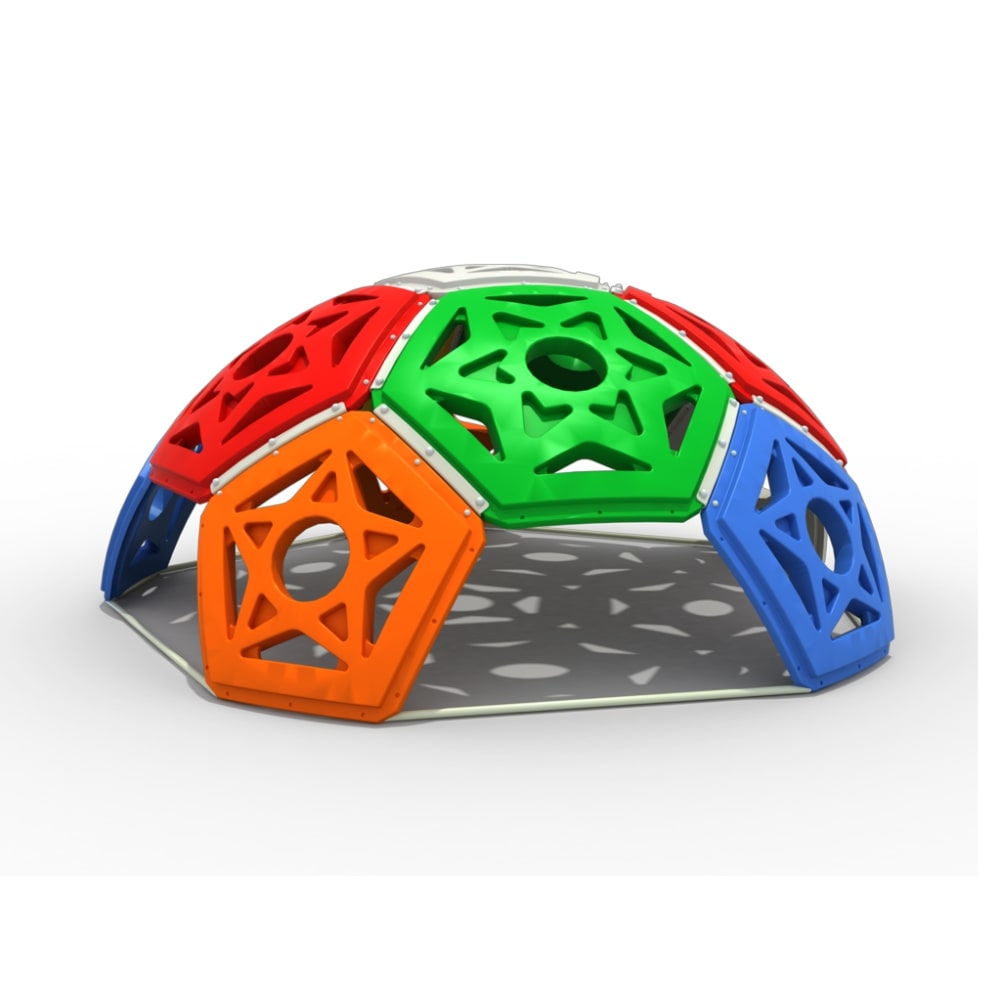
Dome Climber
SignaturePLAY
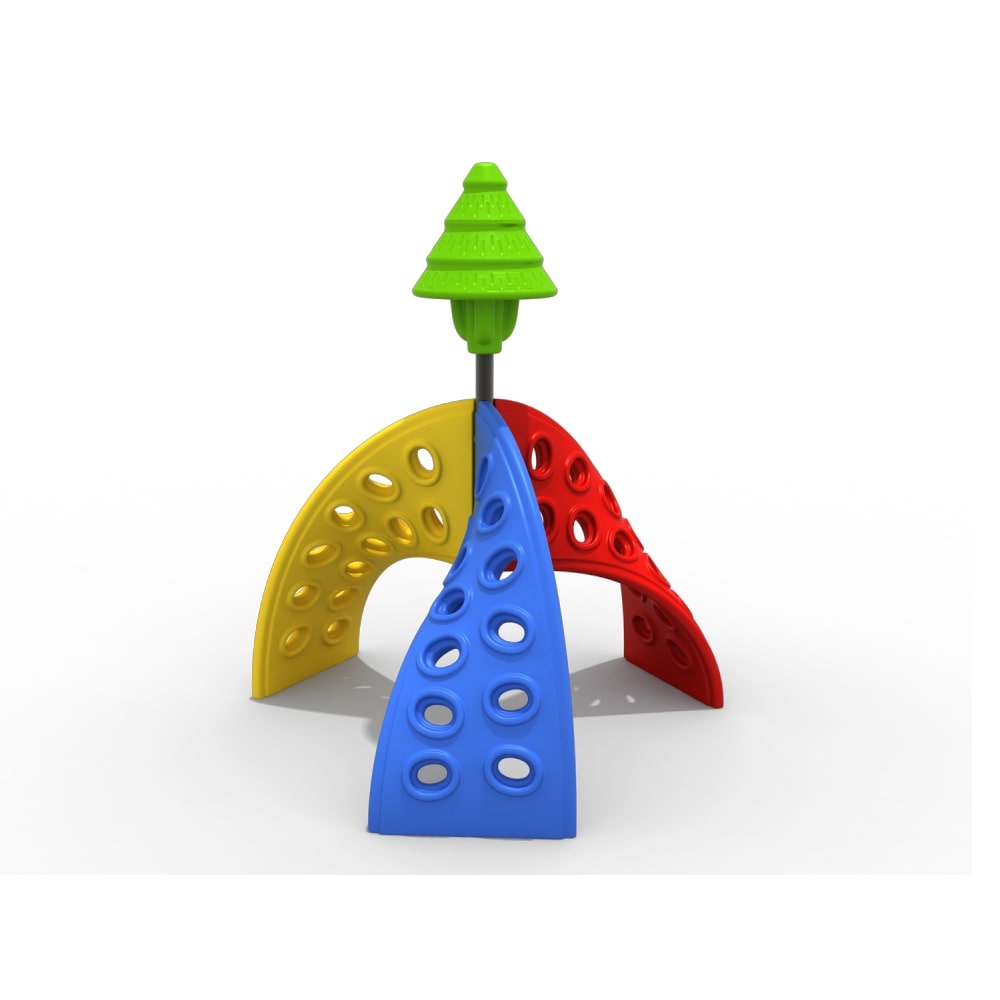
Twisty Climber
PLAYTime
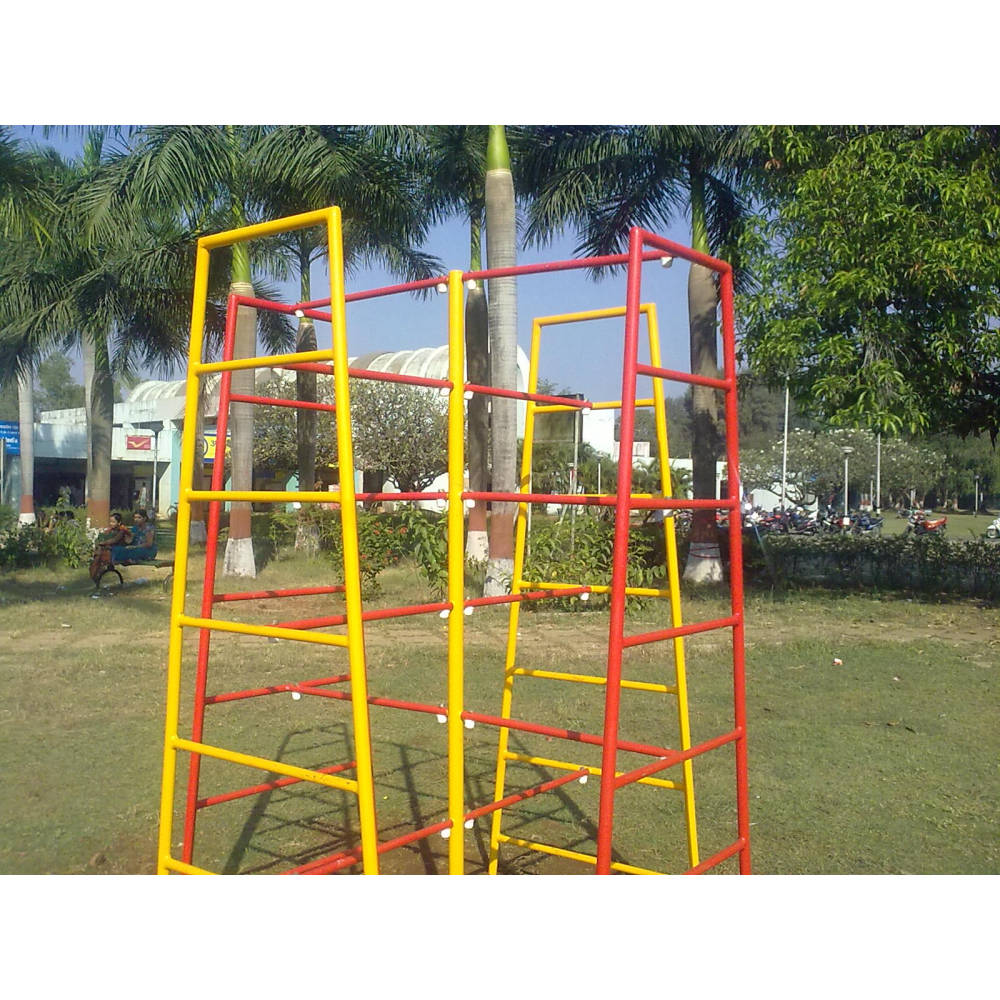
Criss Cross Scrambler
PLAYTime
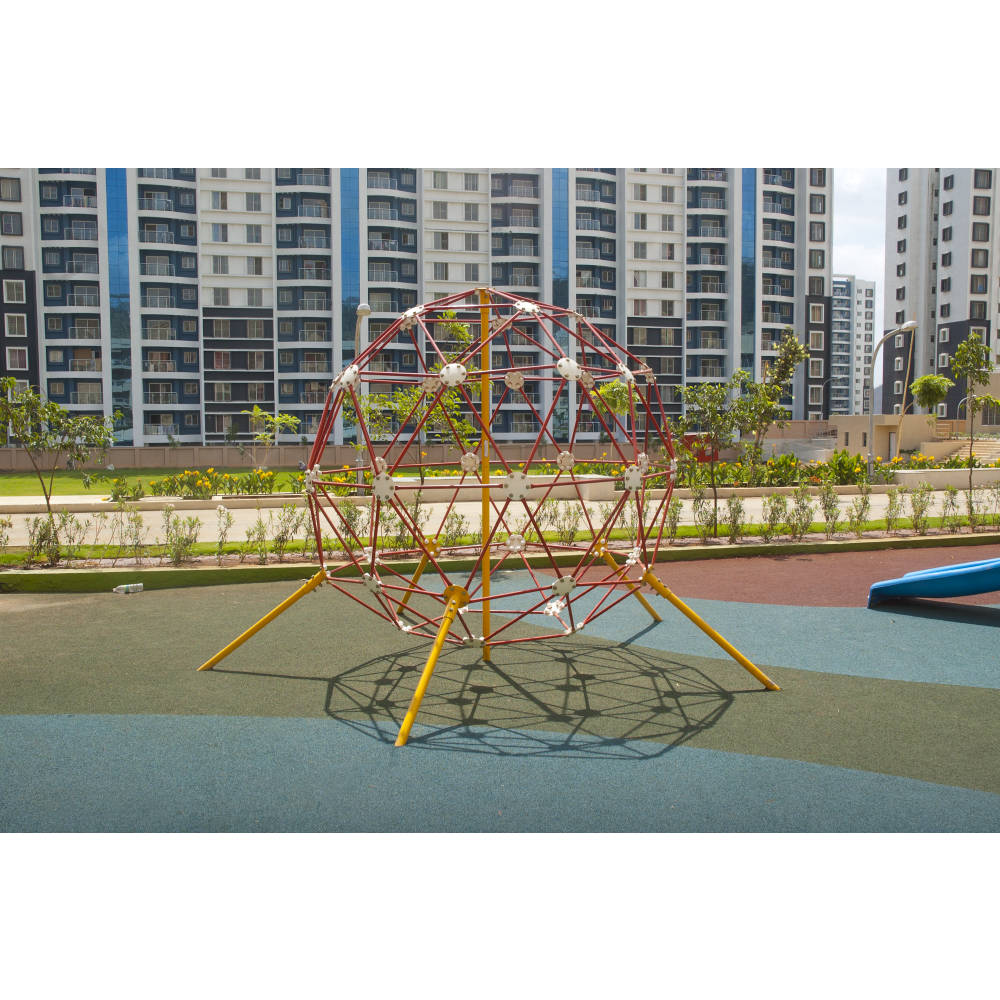
Crystal Maze
PLAYTime
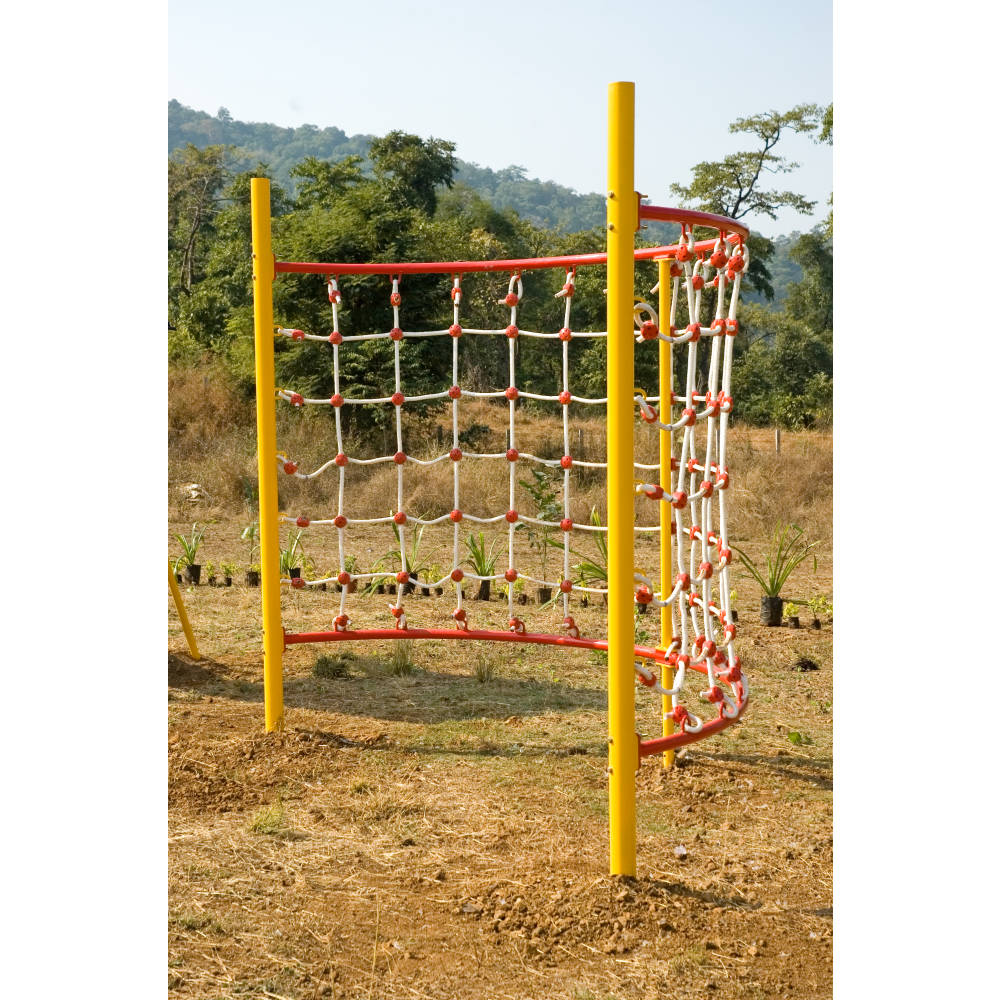
Half Round Net
PLAYTime
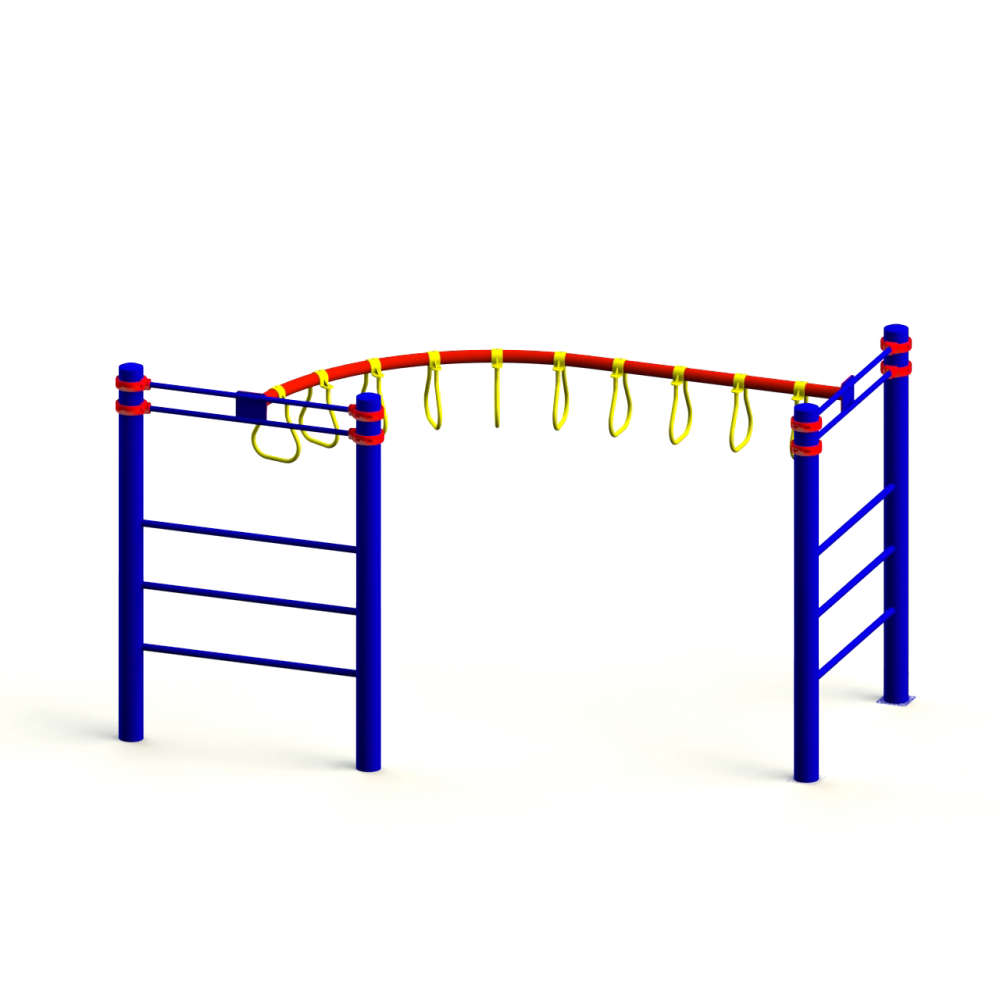
Curve Loop Climber
PLAYTime
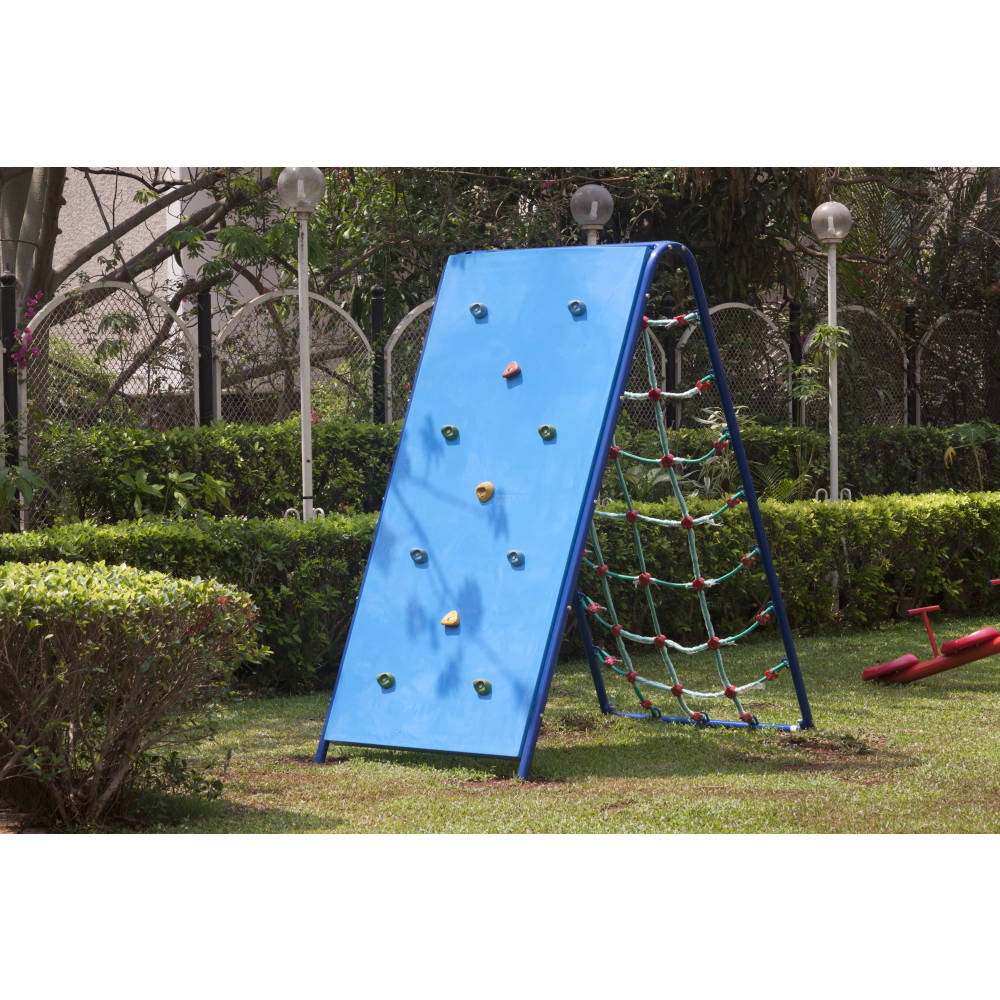
Net Rock Scrambler 7Ft
PLAYTime
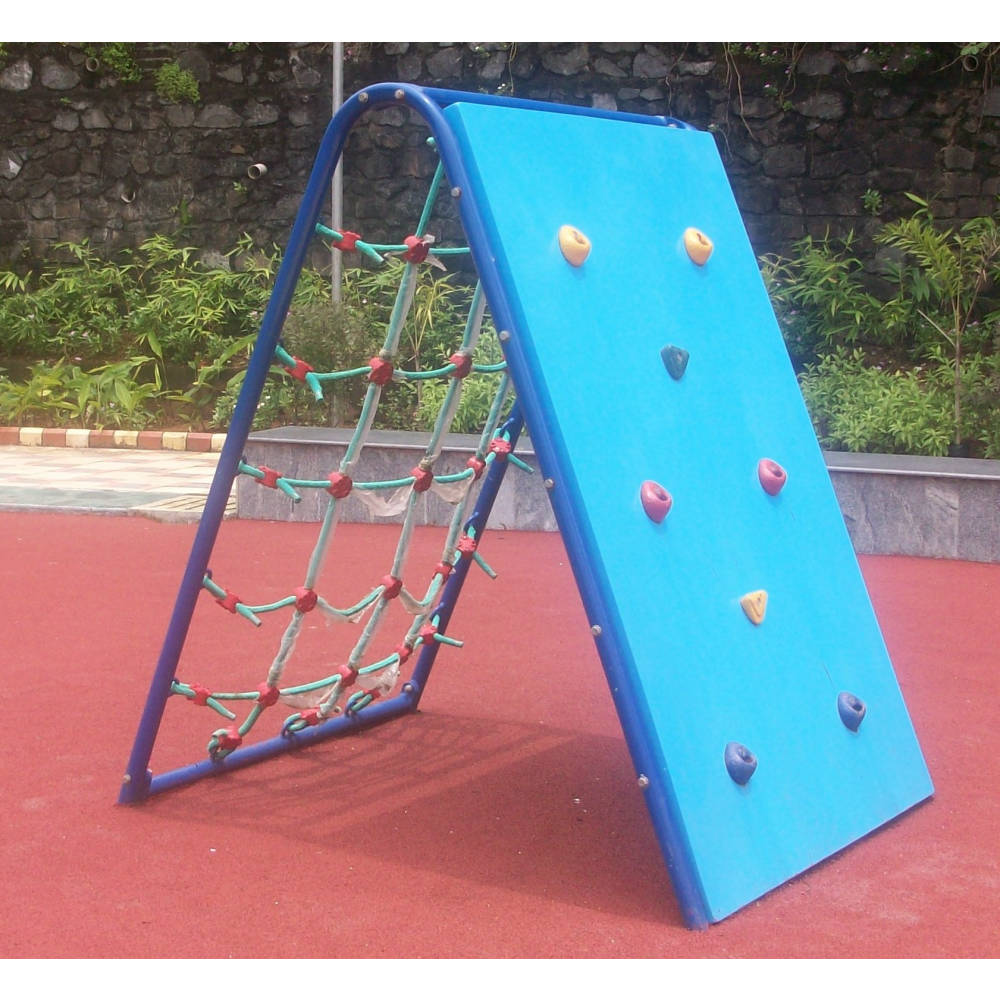
Net Rock Scrambler 5Ft
PLAYTime
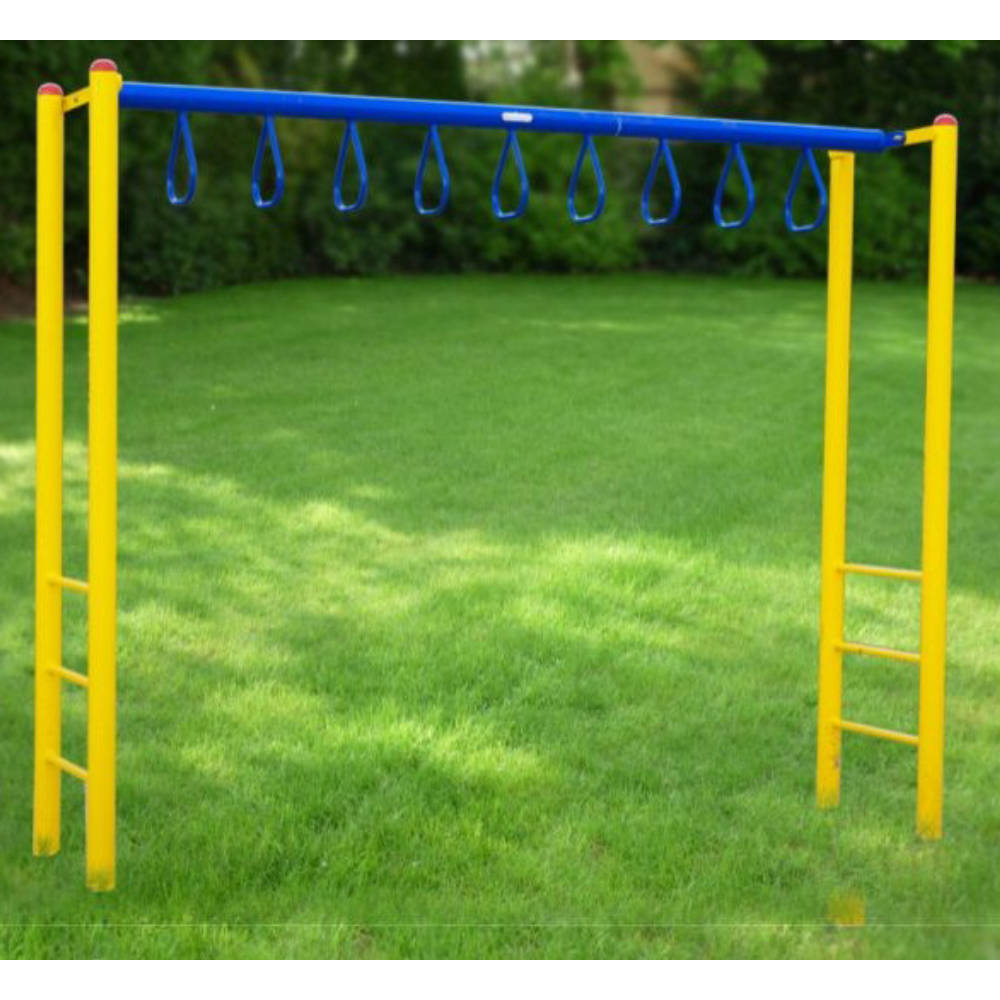
Loop Rung
PLAYTime
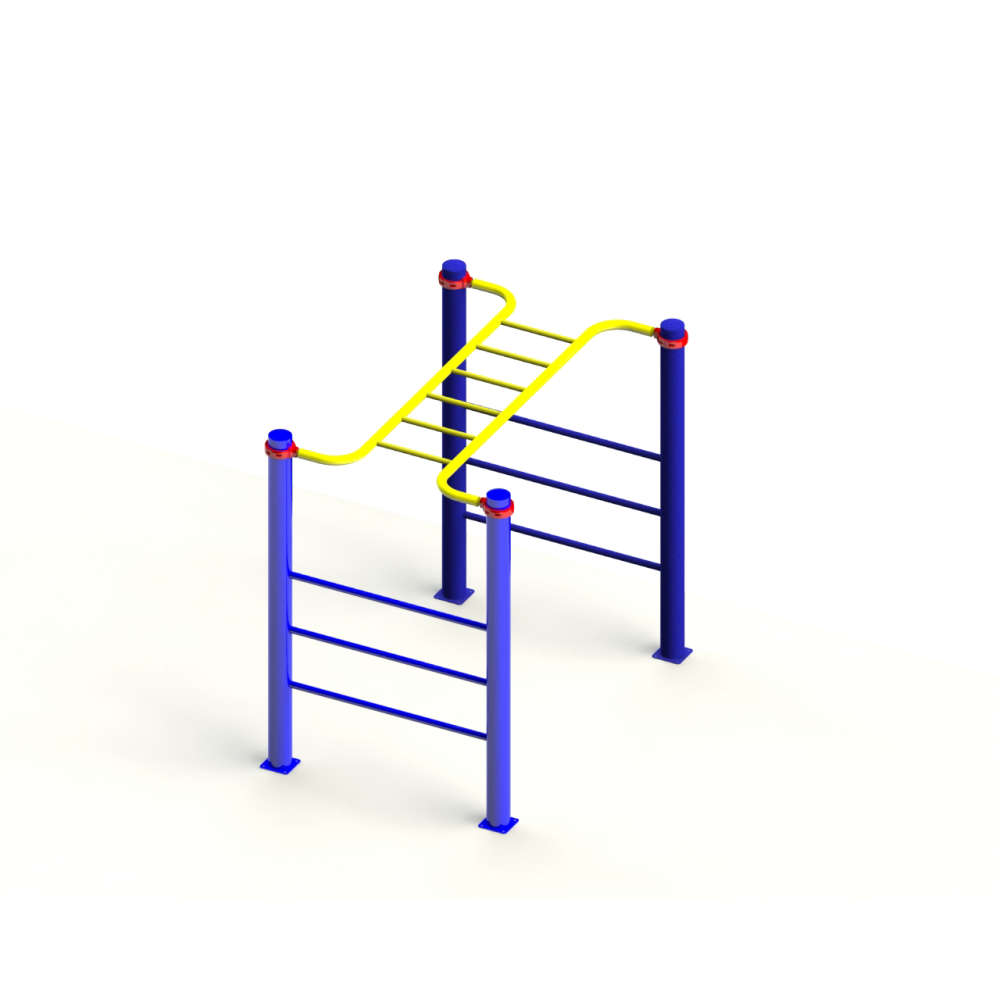
Bridge Ladder
PLAYTime
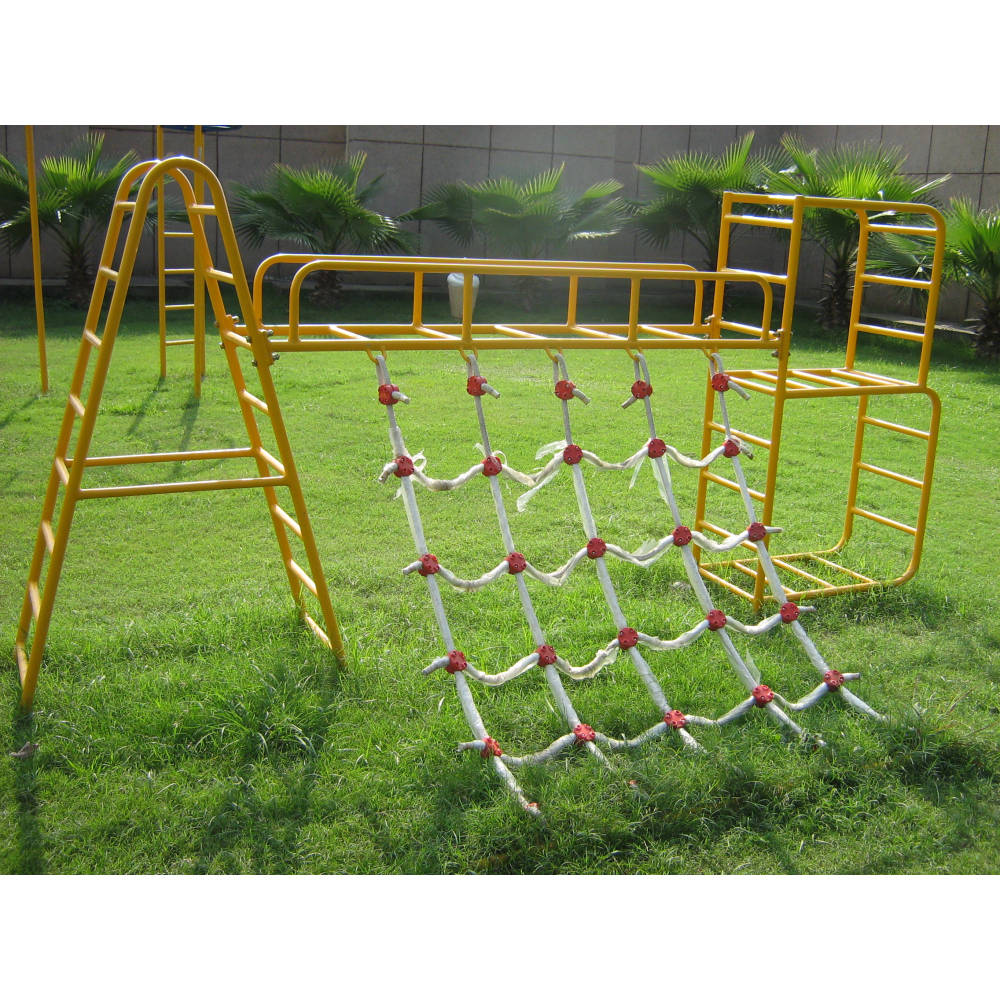
A To B Net Scrambler
PLAYTime
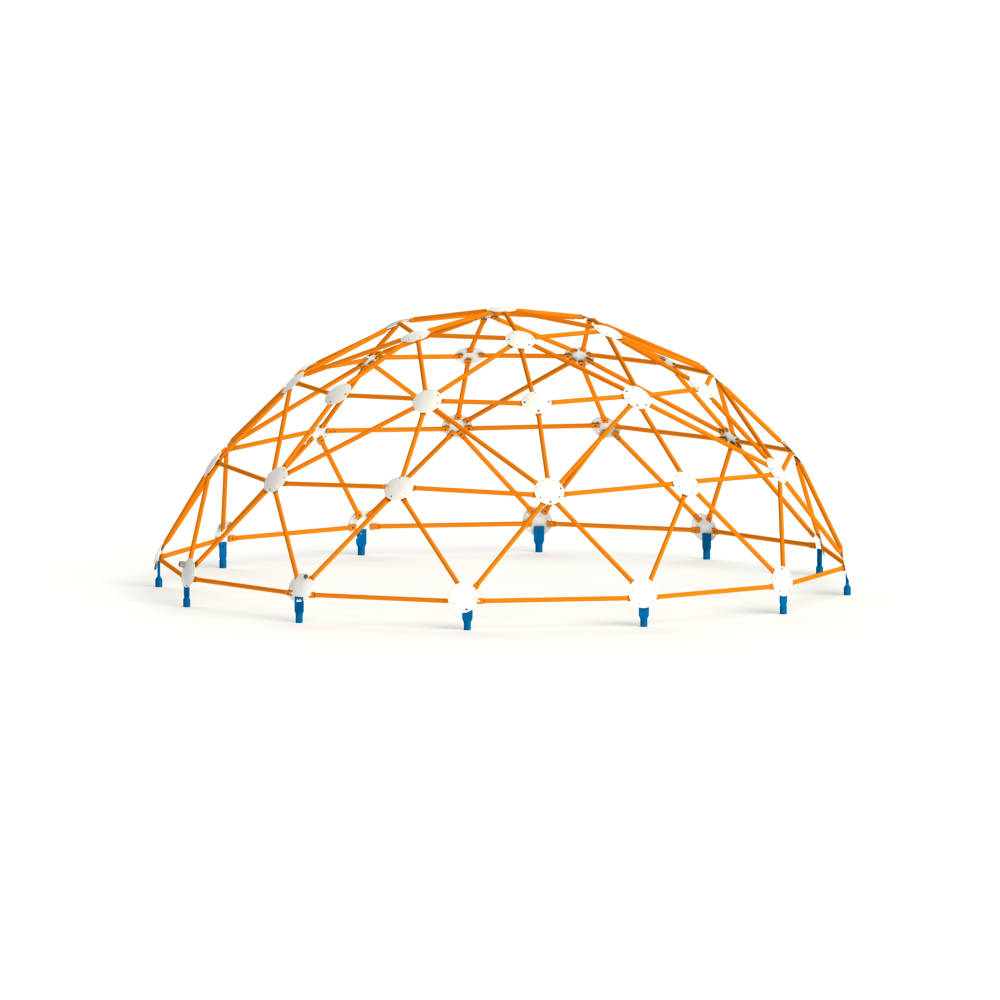
Mini Sunset Scrambler
PLAYTime
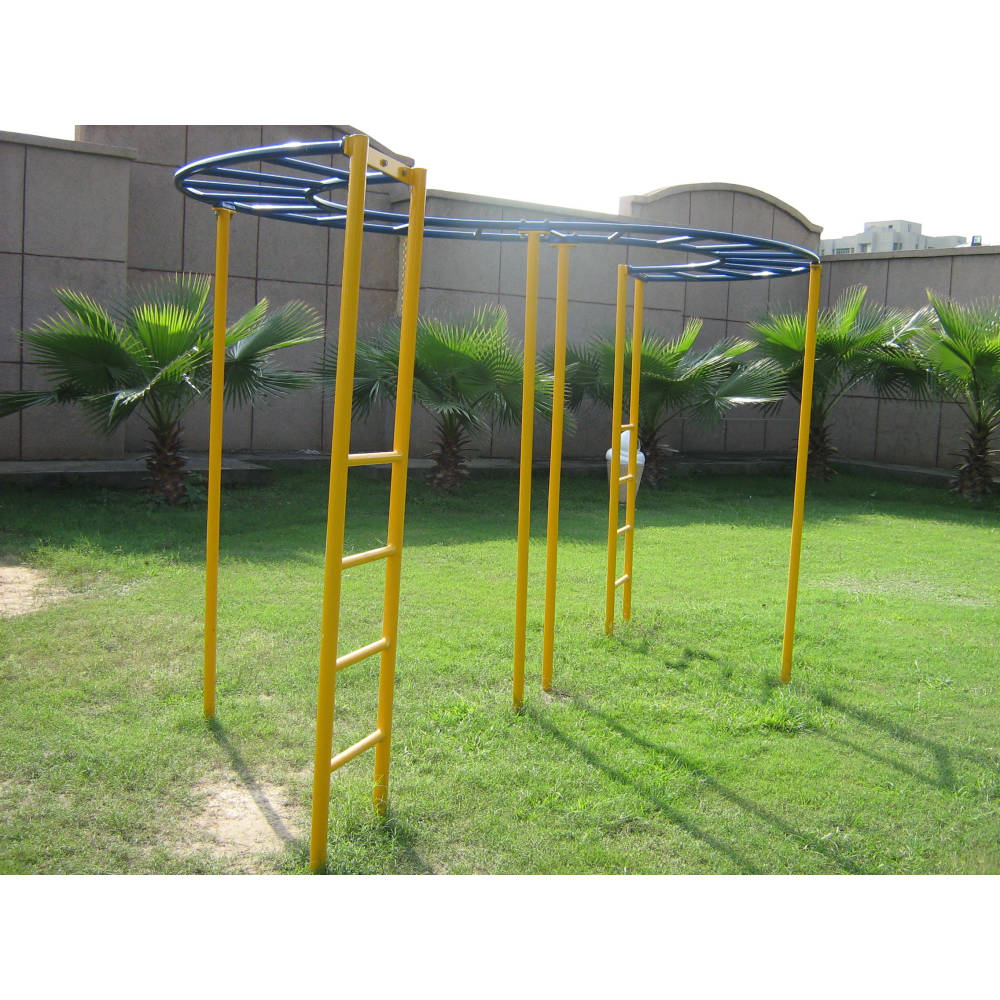
S Bridge Ladder
PLAYTime
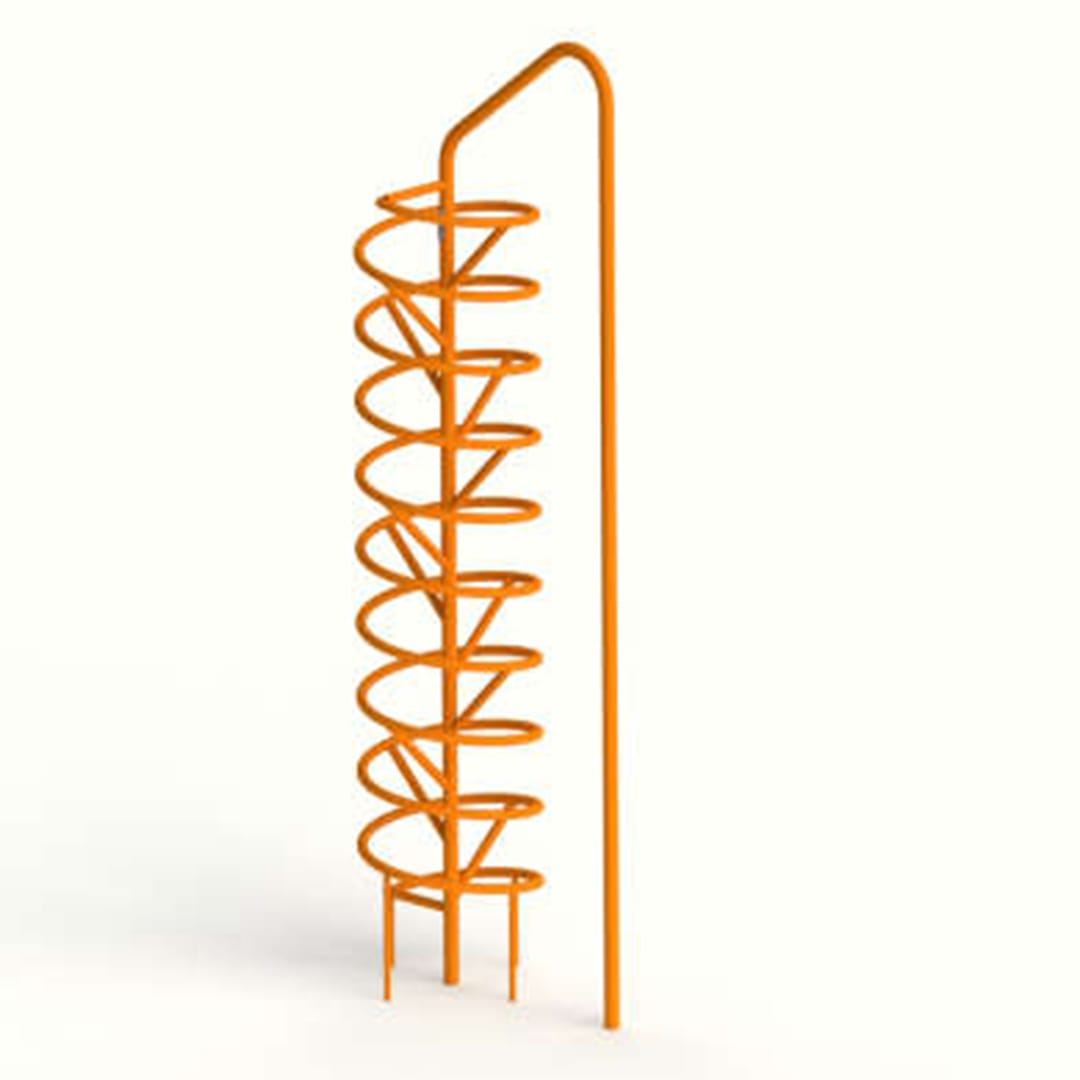
Spiral Scrambler 9Ft
PLAYTime
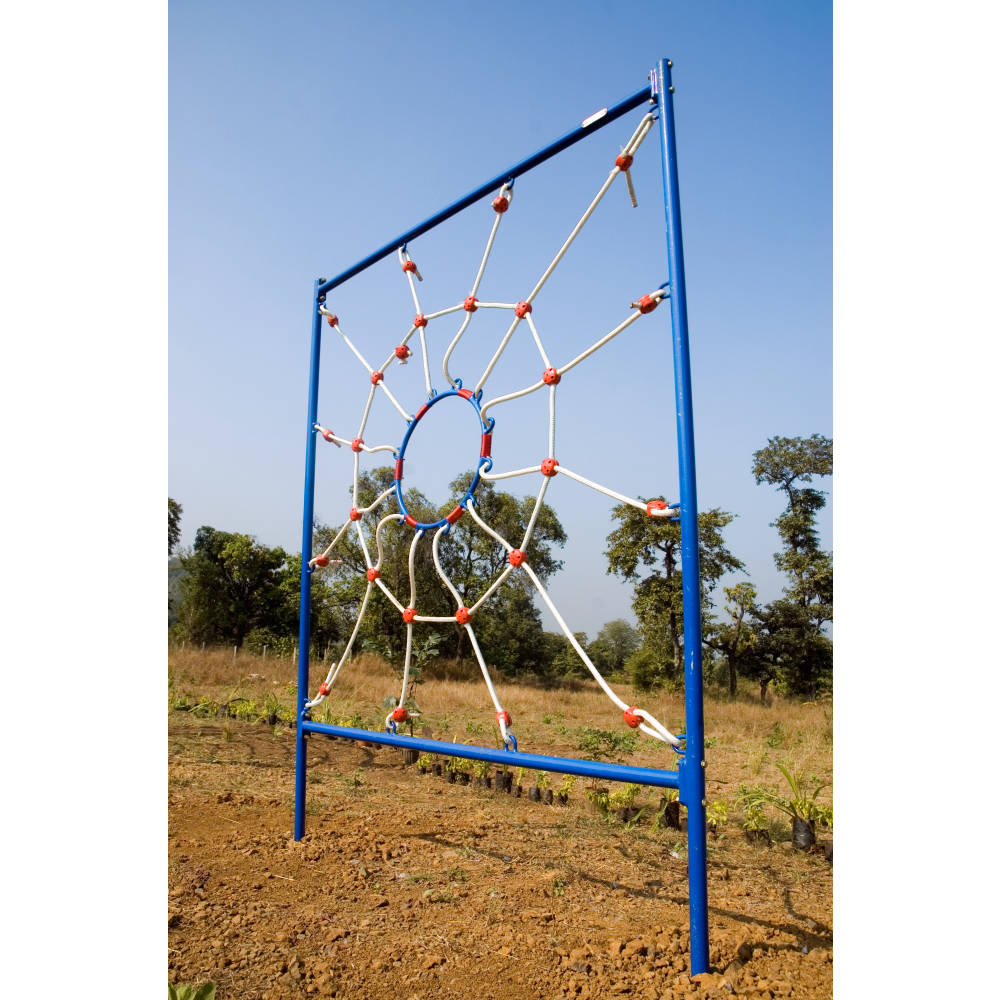
Spider Web Scramber
PLAYTime
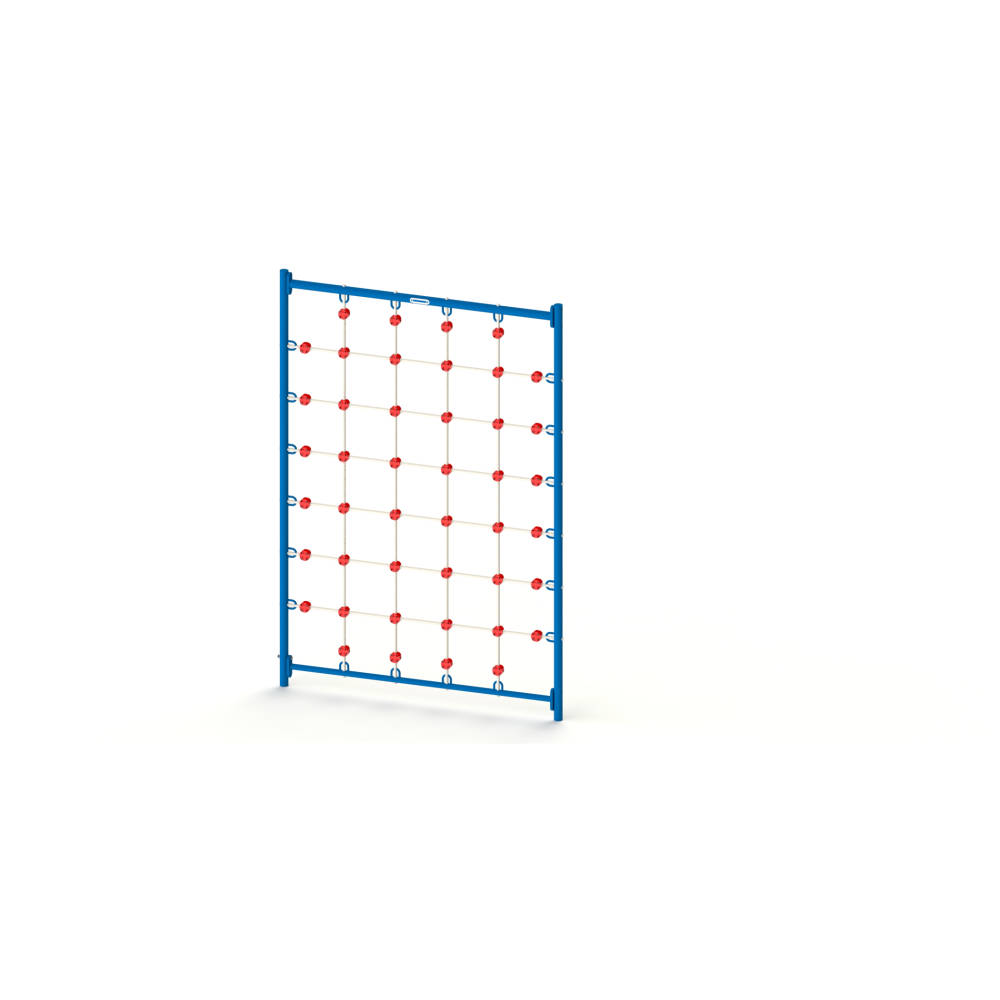
Straight Net Scrambler
PLAYTime
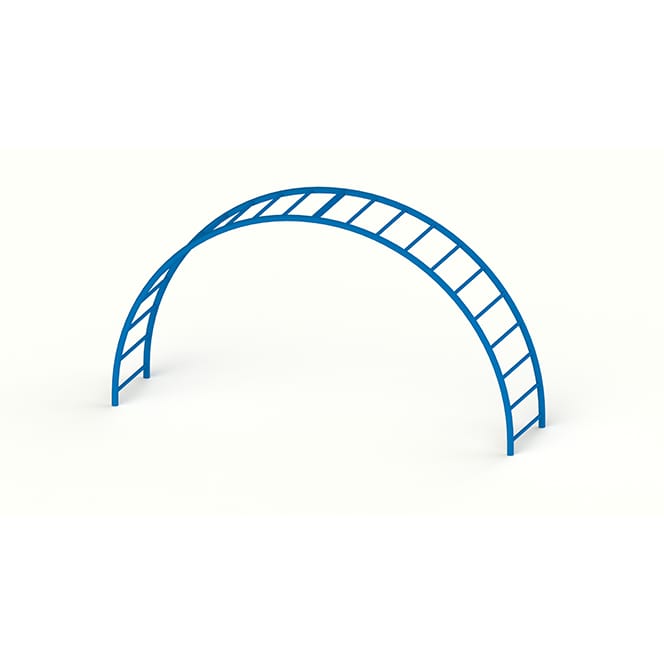
Rainbow Climber 7Ft
PLAYTime
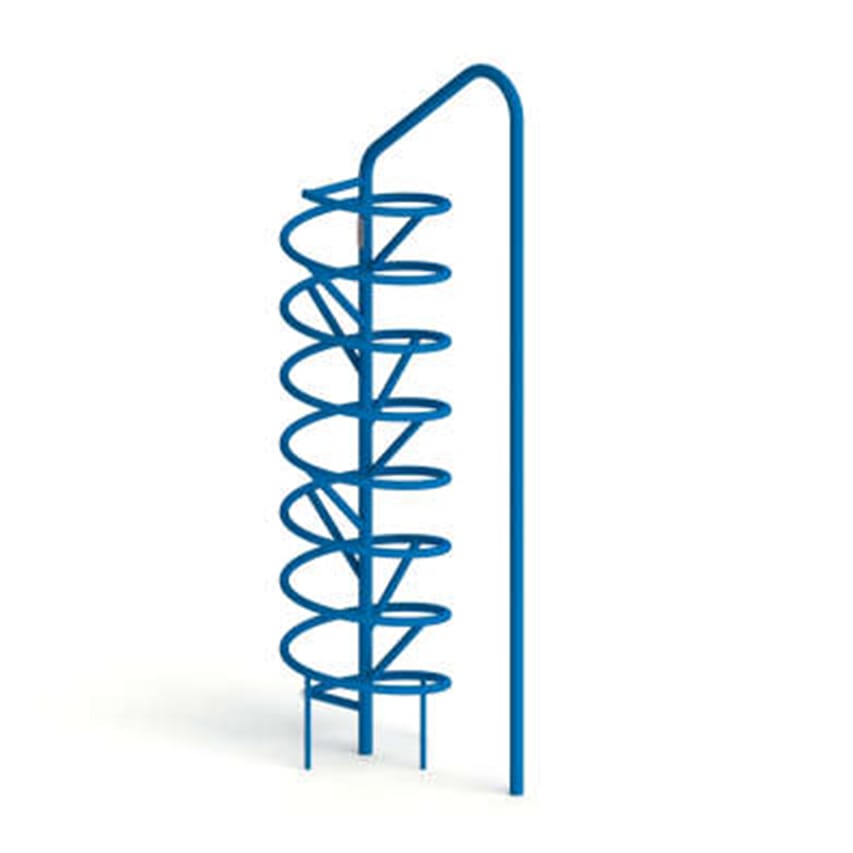
Spiral Scrambler 7Ft
PLAYTime
Spiral Scrambler 5Ft
PLAYTime
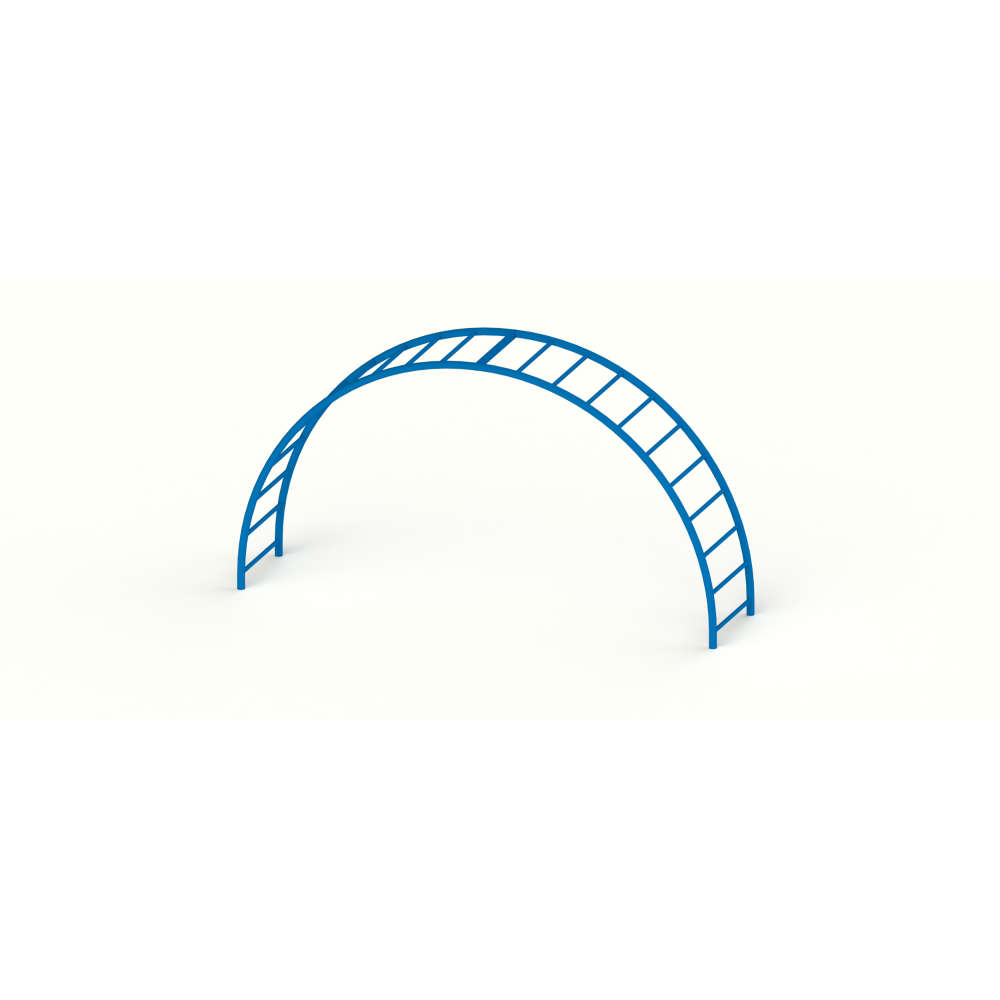
Rainbow Climber 5Ft
Playground Climbers Designed for Continuous Play
Not every play area holds attention for long. Kids try it once, maybe twice, and then move on. Low-challenge equipment doesn't give them a reason to stay. That's where climbing playground equipment starts to matter. It gives them something to work with and a reason to stay in it a little longer.
Kids respond to challenge. They stay engaged when something asks for effort. With playground climbers, they grip, step, and adjust as they move. They don't just pass through. They stay on it. They come back to the same structure and use it differently each time. One round doesn't feel like enough, so they go again.
The layout of our climbing playground equipment supports this pattern of continuous play. There's no fixed start or end point, so movement doesn't stop. Kids enter from different sides and move across the structure without waiting. Some stay closer to the ground, while others climb higher and come down another way. The space keeps moving, even with several kids using it at once.
You can see this across the range, from the Tima Climber and Fuji Climber to more open formats like the Dome Climber and Net Rock Scrambler. Each one changes how kids move through the space and keeps them on it longer.
Frequently Asked Questions
Climbers tend to hold attention longer. Kids don't use them once and leave. They stay, try different routes, and come back again. That means the space gets used more, without needing more equipment.
They work well in busy spaces. There's no single entry or exit point, so kids don't form lines. Movement stays steady, even when several children use the structure at the same time.
In most cases, yes. Younger kids often stay on lower sections, while older ones climb higher or take longer paths. The same structure supports different levels of use without needing separation.
Not always. Many climbers use vertical space instead of spreading out. This helps fit more activity into a smaller footprint, which works well in compact layouts.